
In the time since I last posted, I have continued to chip away at my dissertation while also visiting a variety of Shakespeare-related sites here in England! I started with a trip to London to watch A Midsummer Night’s Dream at the Globe Theater, which was followed by a trip to Stratford-upon-Avon to visit Shakespeare’s birthplace. So, this blog post is about exactly what its title suggests: all things Shakespeare!
The Globe theater
I’ll dive in by starting at the beginning of my Shakespearean adventures, which began with a tour of the Globe Theater in London. Like Shakespeare’s original playhouse, the Globe Theater is a 360° auditorium. There is no roof over the central yard, but events go on regardless of the weather. (Thankfully, the weather was perfect on the day I visited!) Here are a few fun facts about the theater which I learned while taking an hour-long guided tour:
- The modern theater is referred to as the “Globe Theater,” whereas the original theaters from Shakespeare’s time are just referred to as the “Globe.”
- The first Globe was opened in 1599. However, tragedy struck during a performance of Henry VIII in 1613. To create the sound effect of a cannon, an actual cannon was lit in the theater. Unfortunately, a fire spread to the thatched roof and the entire theater burned to the ground within an hour. Thankfully, no one was harmed!
- By 1614, the Globe was rebuilt. Learning from the events of the previous year, this reincarnation of the Globe had a tiled roof rather than a thatched roof. However, tragedy struck again in 1642 when parliament ordered that all London theaters be closed. The Globe was destroyed in 1644-1645, and the land was sold.
- More than three centuries later, the modern Globe Theater officially opened in 1997. It was built as close as possible to the original theater site. When possible, it was built using the same tools and methods that would have been employed in the construction of the original theaters. (Of course, modern safety regulations required some methods to be updated and fire exits to be added to the theater design!)
- Today, the Globe Theater can hold 1,570 people (although the theater is currently employing social distancing protocols which limit the capacity to around 400).
- The Globe Theater has the only thatched roof in London!
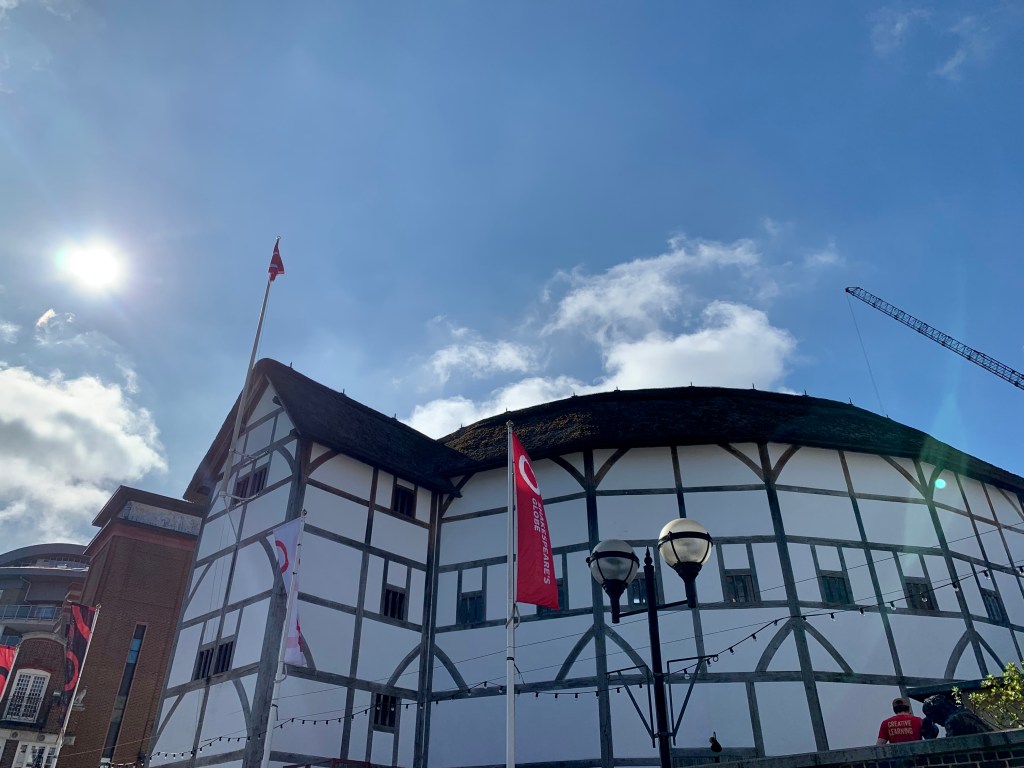
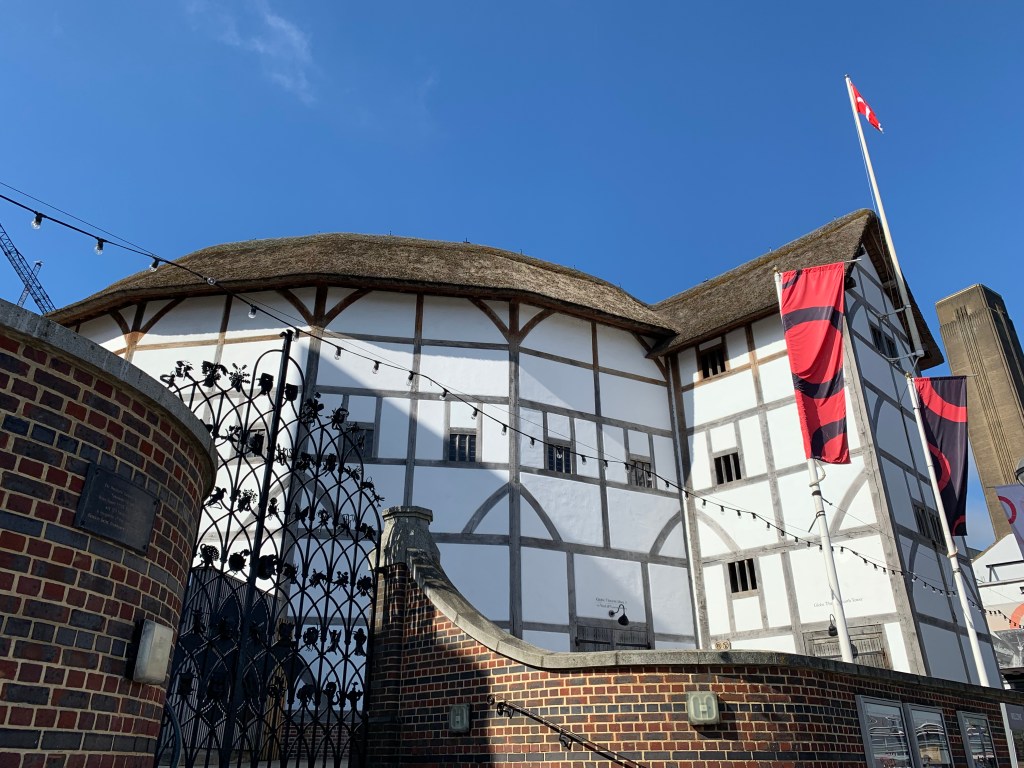
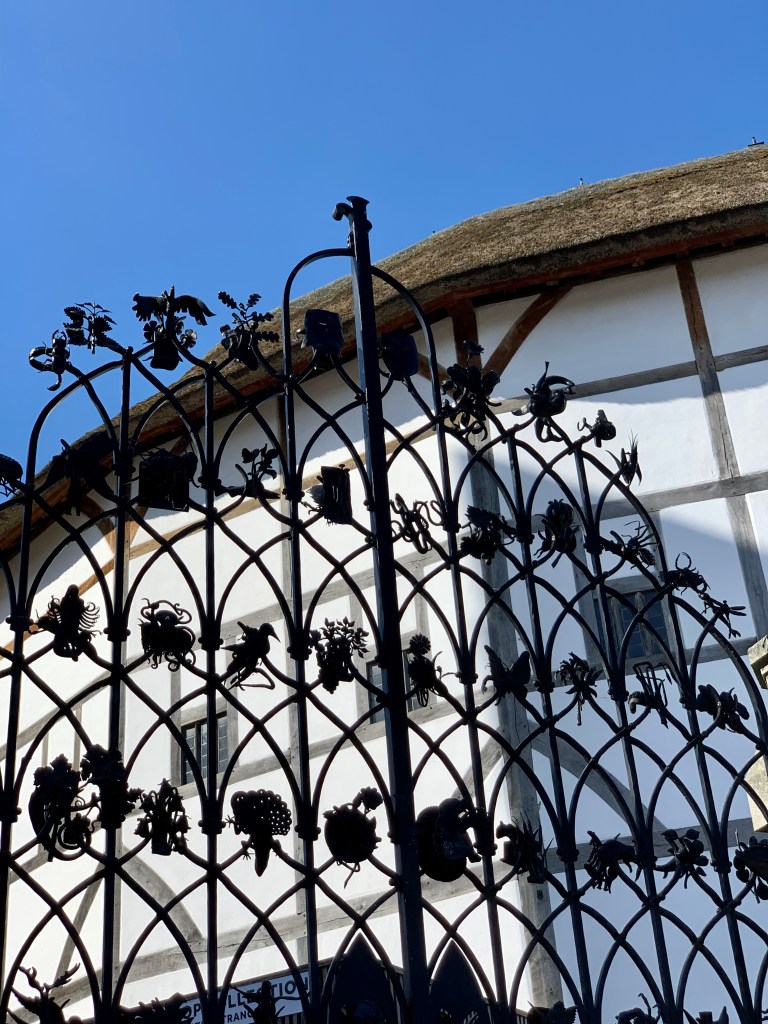
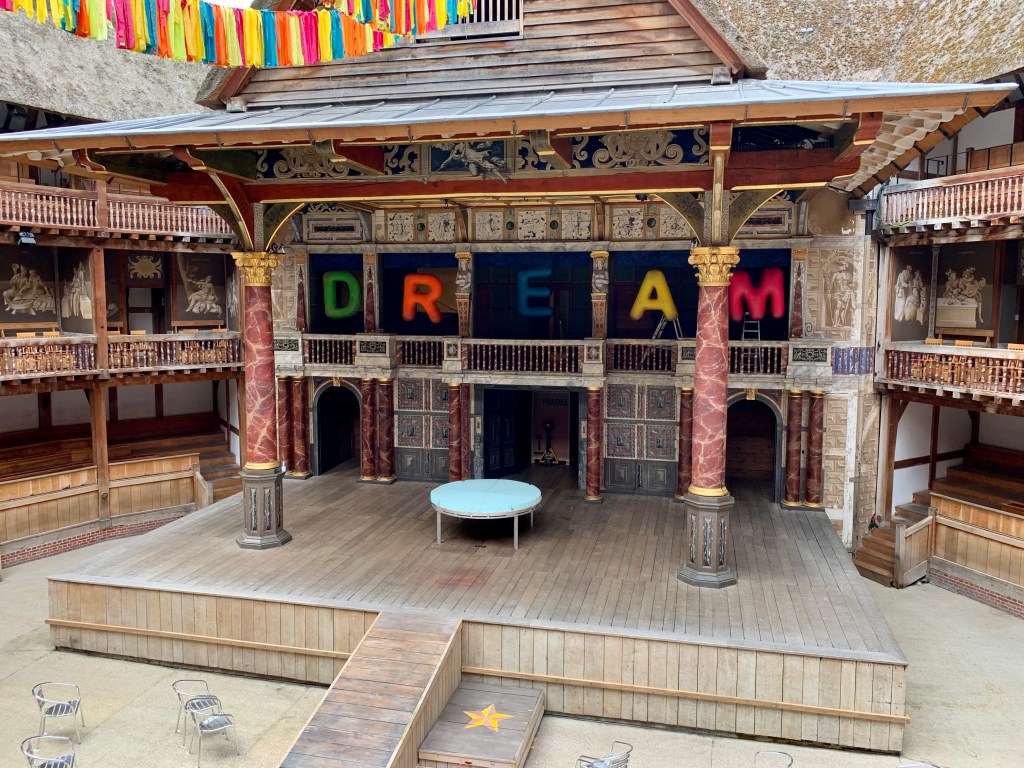
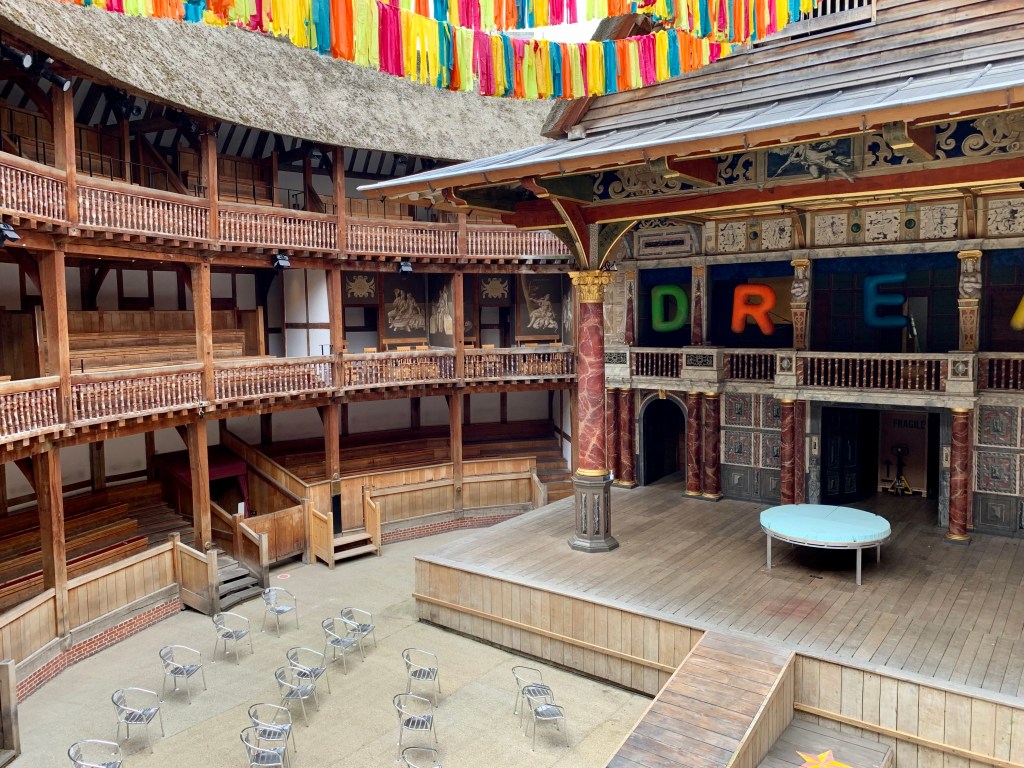
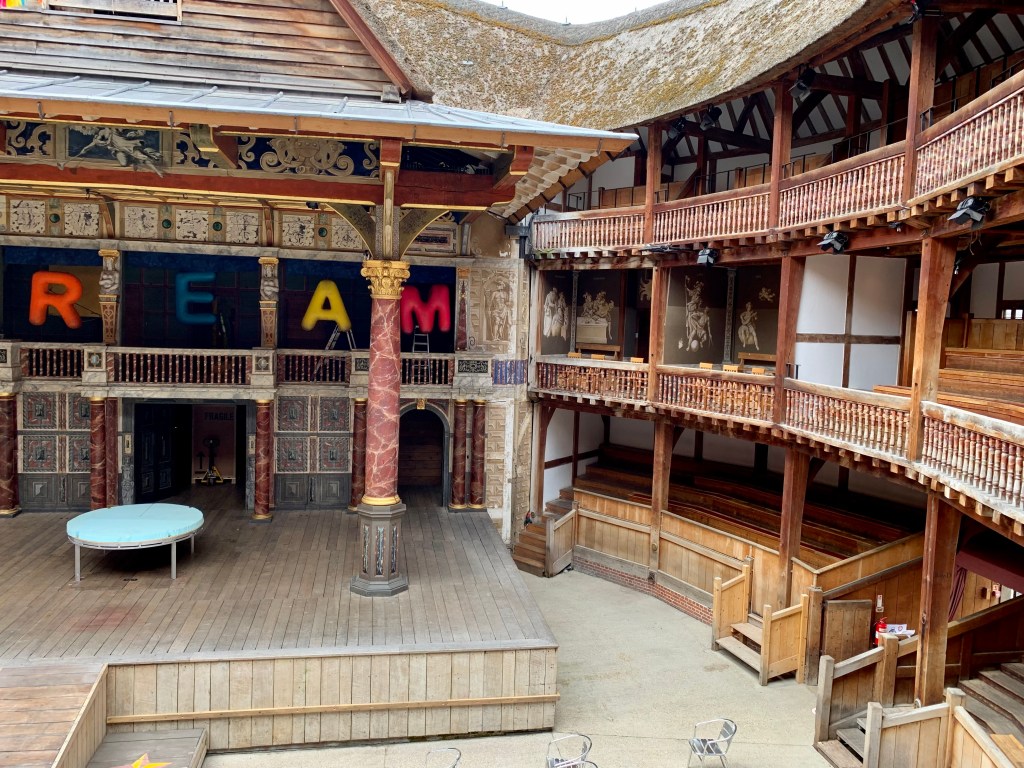
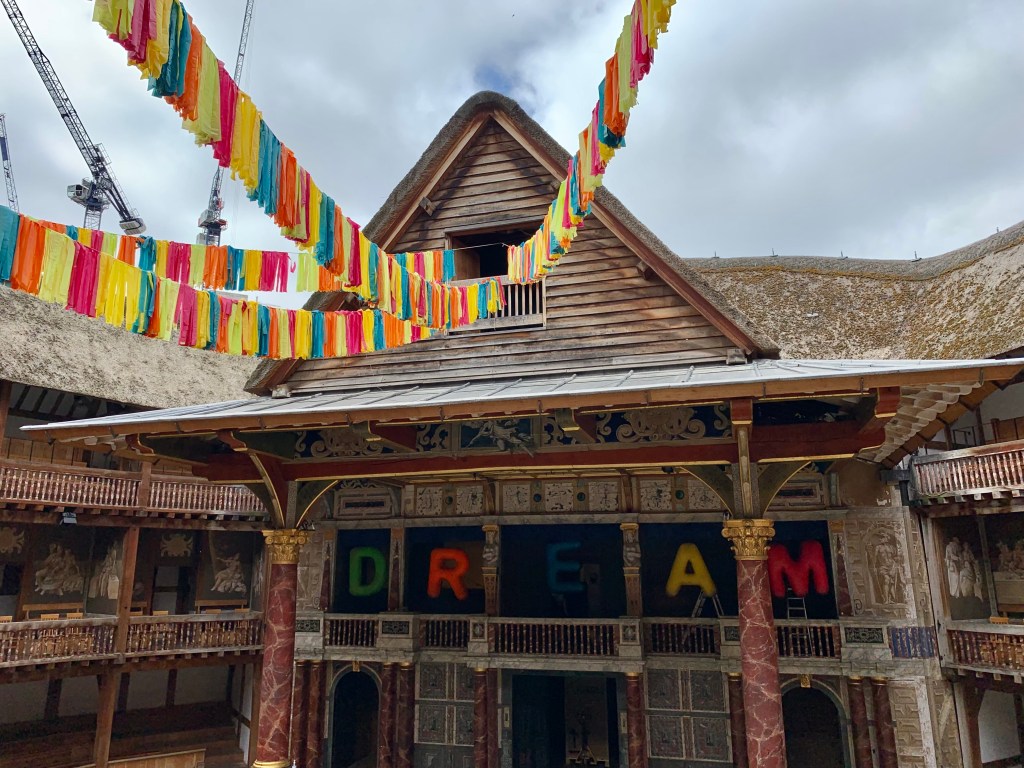
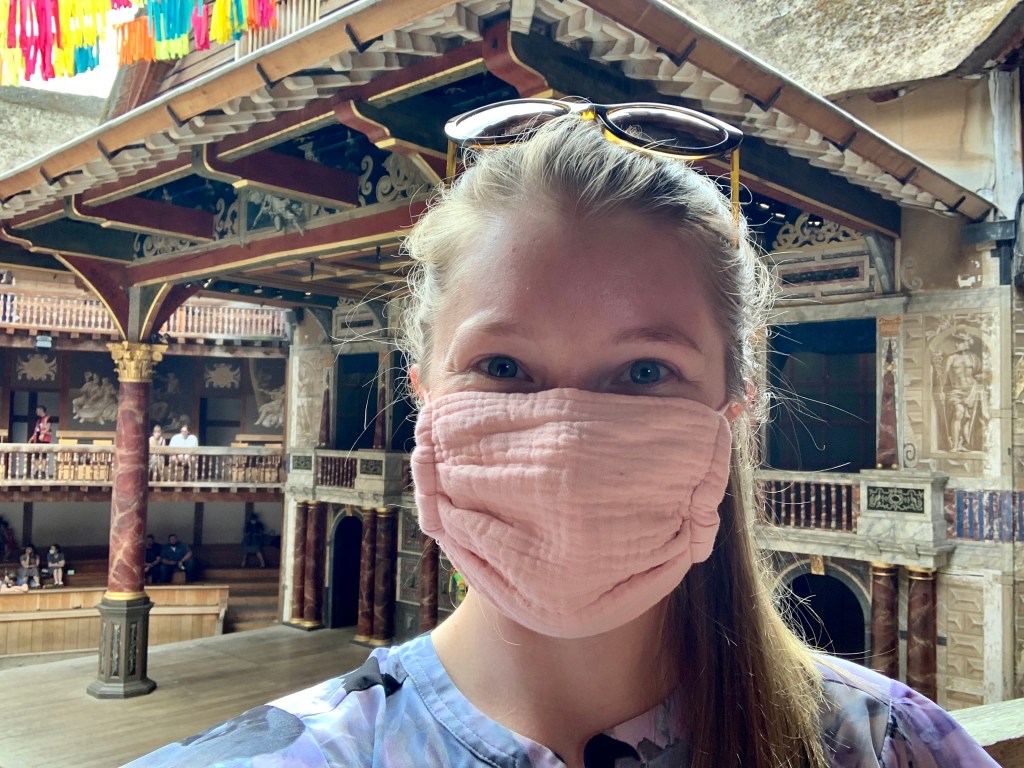
If you want to see even more visuals of the theater beyond what is shown in my pictures, you can take a virtual tour of the theater here.
A midsummer night’s dream afternoon tea
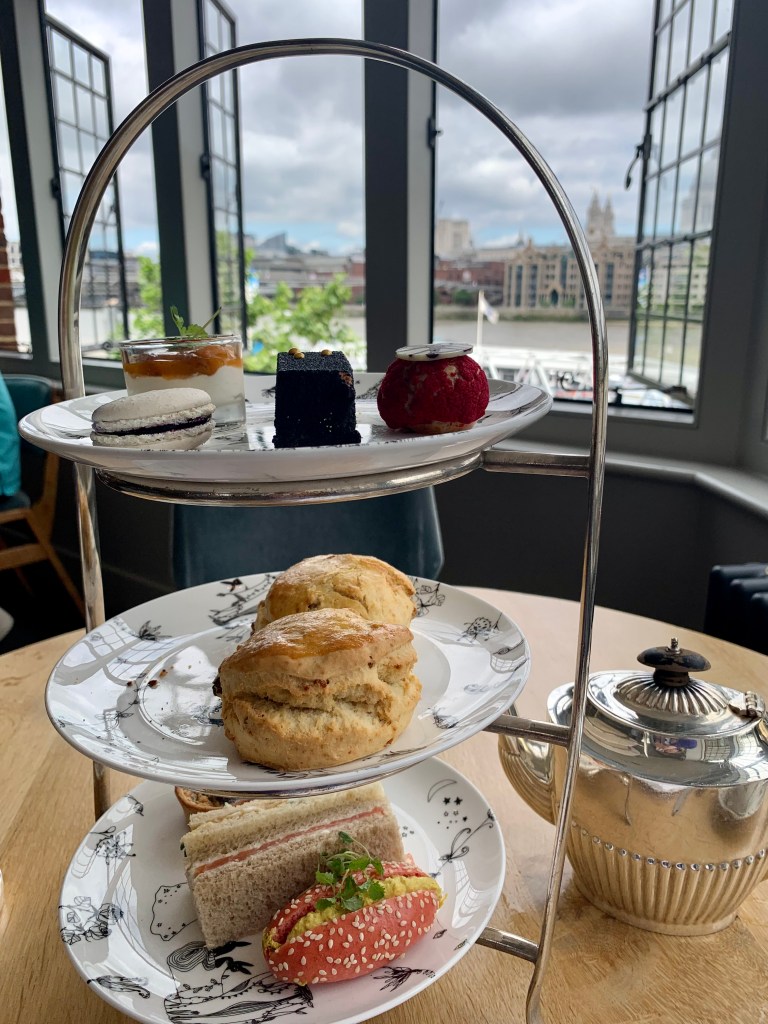
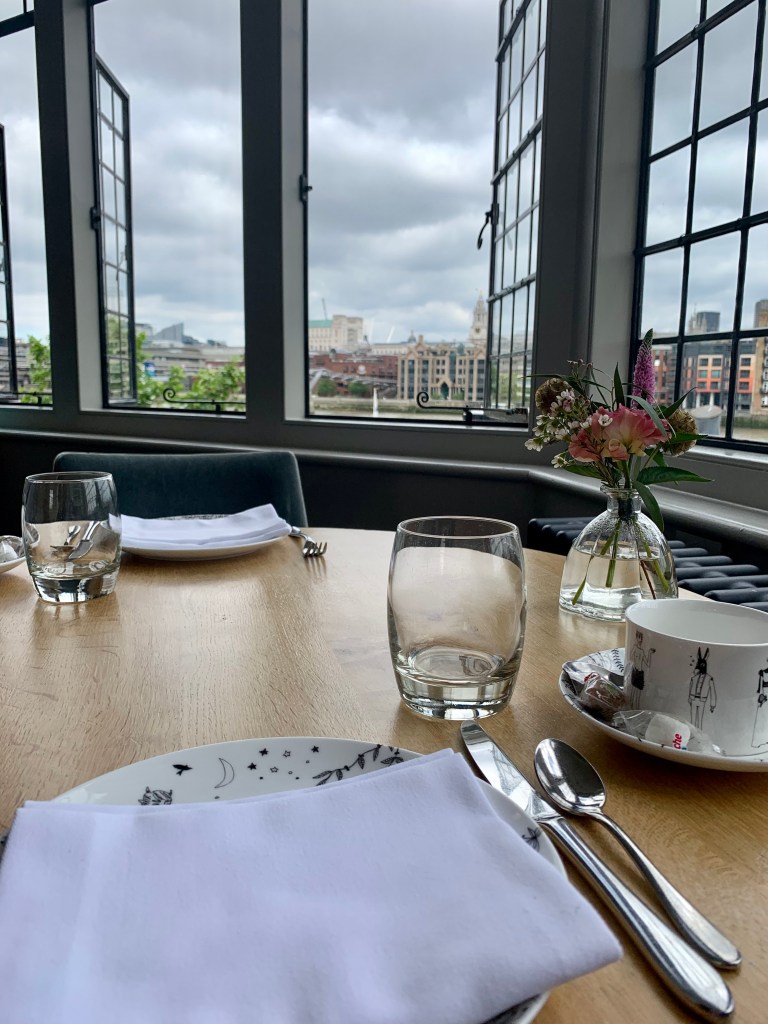
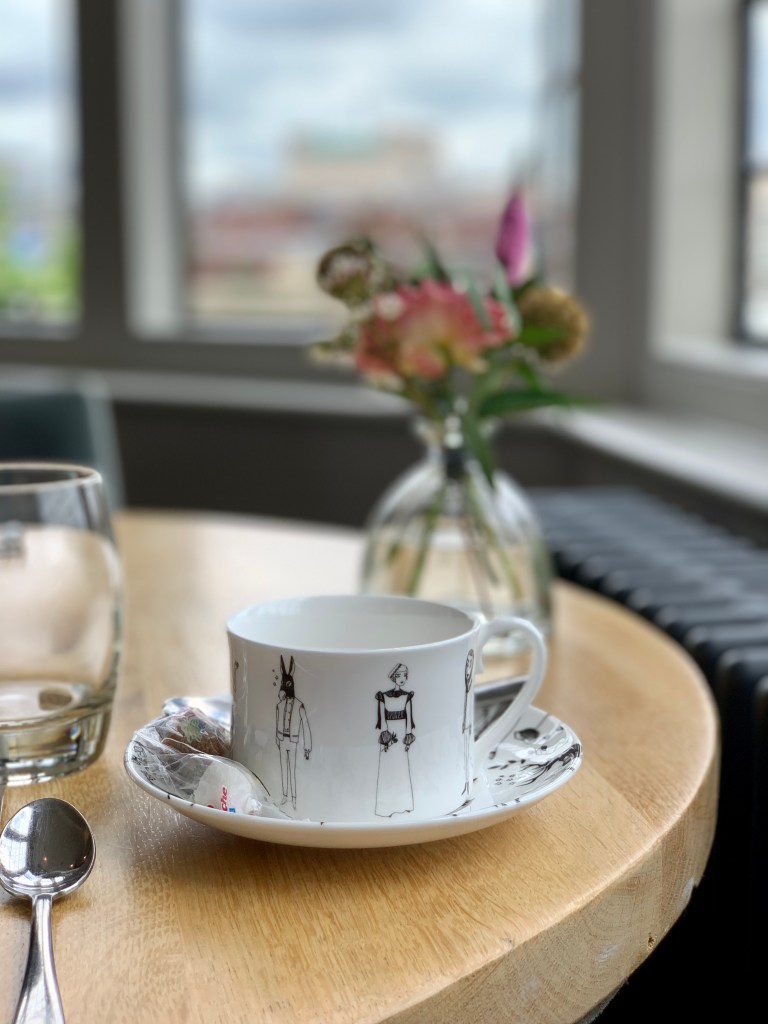
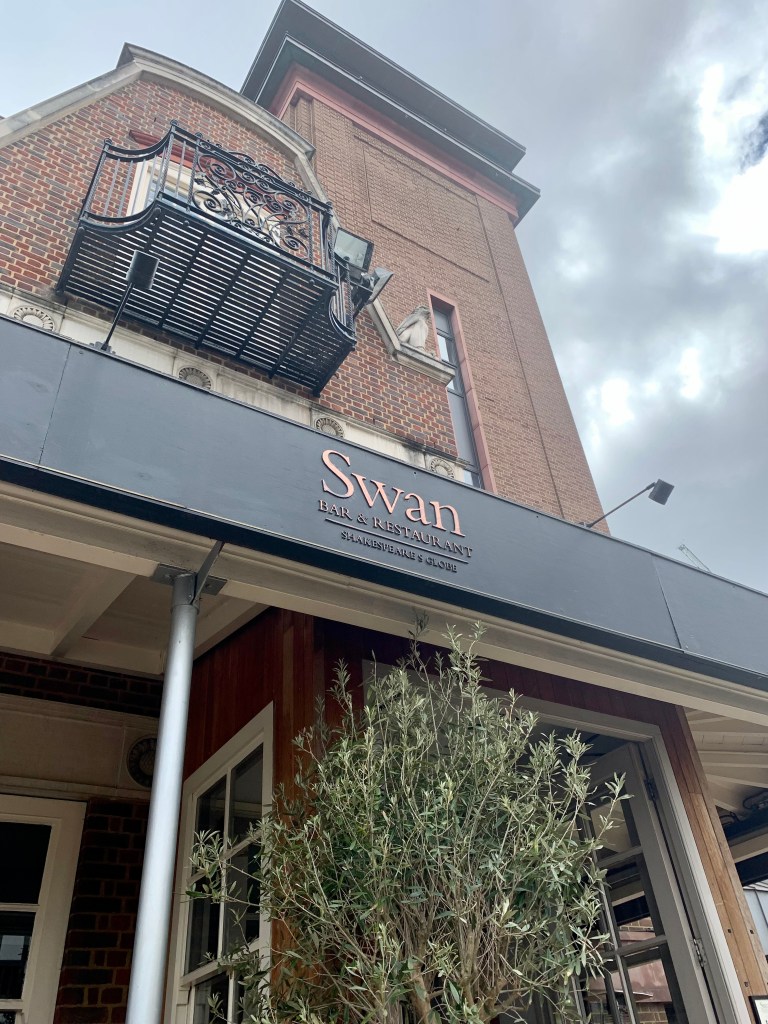
After taking a tour of the Globe Theater, I walked next door to the Swan restaurant to enjoy a theatrical afternoon tea. Each element of the afternoon tea was designed to be related to Shakespeare’s A Midsummer Night’s Dream. (For example, the white and purple macaroon represents the white flowers which turned purple after being struck by Cupid’s bow, enabling the creation of a magical love potion.) This was my first time experiencing an official afternoon tea in England, and it was definitely fancier than I expected!

A Midsummer Night’s Dream
After finishing my afternoon tea, I walked back over to the Globe Theater to watch a performance of A Midsummer Night’s Dream. It was an absolutely amazing experience, and one that I highly recommend to anyone visiting England! (I would also recommend bringing a cushion to sit on, since the wooden benches aren’t as comfortable as you might think they’d be after sitting on them for two hours.)
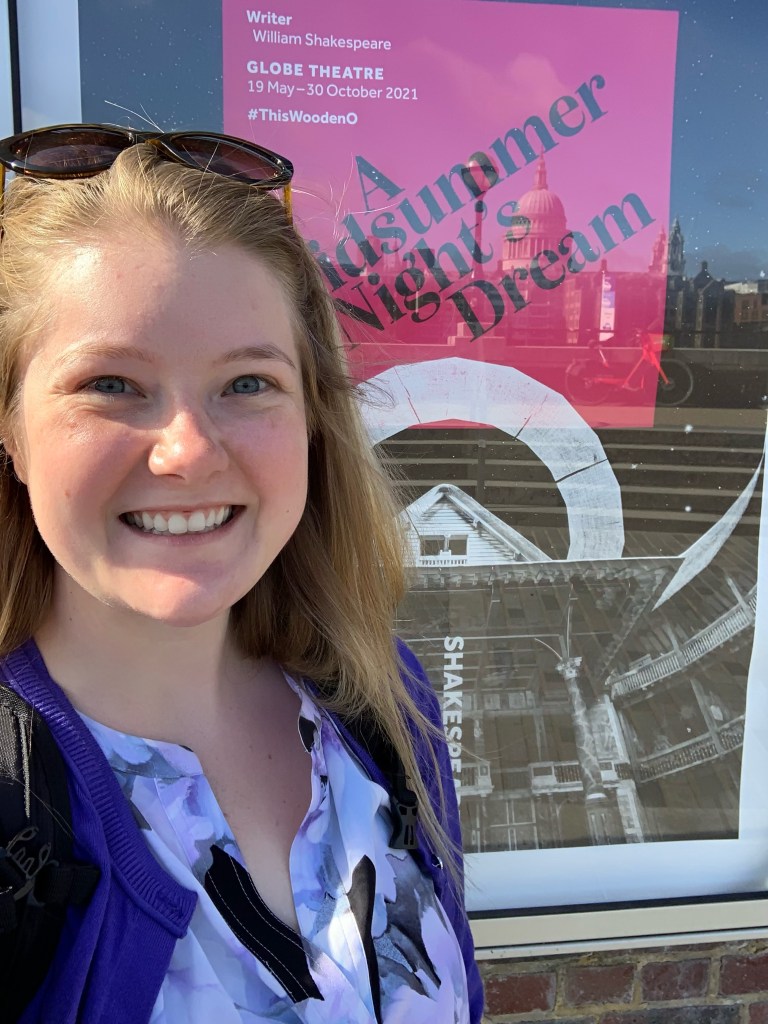
I loved how interactive the play was, and how audience members were brought into the action. I also appreciated the modern interpretation of Shakespeare’s writing. (Prior to attending the play, I had listened to this podcast episode produced by Shakespeare’s Globe about the “dark side of the dream,” which definitely made me think differently about the play as I was watching it in person!) While photography during the play was strictly prohibited, you can see a few images of what it would have looked like here. And as an aside, I actually didn’t mind not being able to take pictures during the play because it meant that audience members were more engaged and experiencing the play through their own eyes rather than through the screens on their cellphones!
Stratford-upon-Avon

Less than a week after visiting the Globe Theater in London, I made the trek to Stratford-upon-Avon to see where William Shakespeare was born. Although several of the Shakespearean sites (such as his schoolhouse) were still closed due to the pandemic, I was fortunate to visit on the day when New Place and Anne Hathaway’s Cottage were reopened to the public! My first stop of the day, however, was at Shakespeare’s birthplace.
Shakespeare’s Birthplace


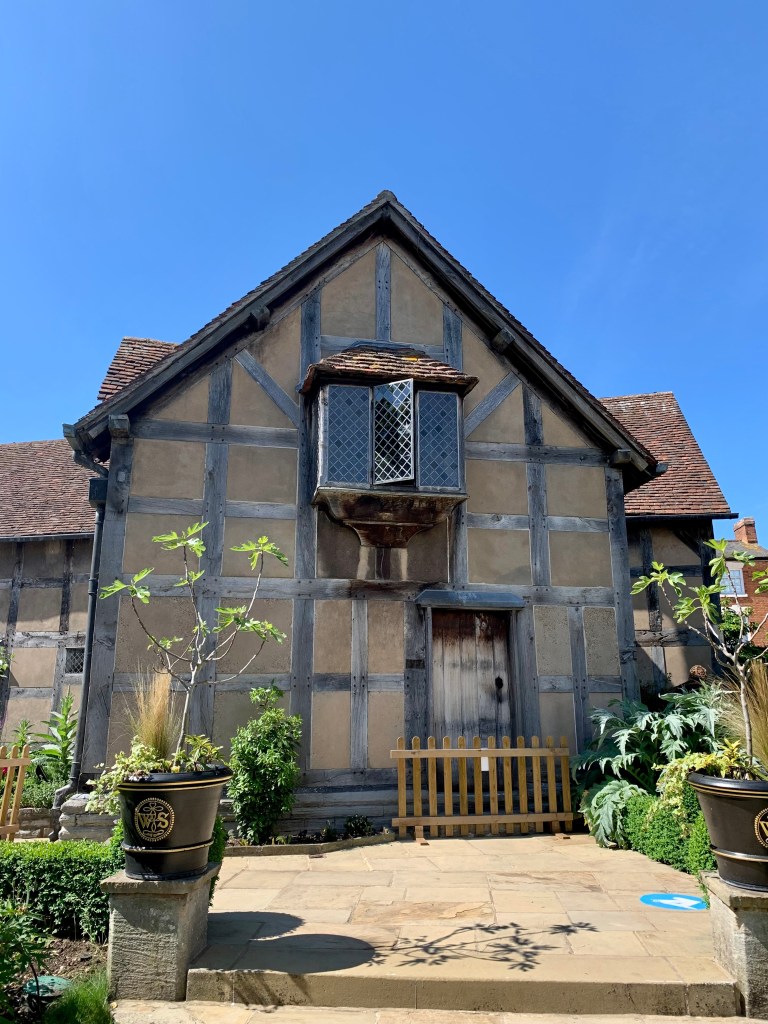

William Shakespeare is believed to have been born at his parents’ home in Stratford-upon-Avon on April 23, 1564. (Although there are no records of his birth, there are records of his baptism on April 26th and it was customary for an infant to be baptized three days after being born.) Originally two separate buildings, Shakespeare’s birthplace became one building when John Shakespeare (the father of William Shakespeare) bought and combined the two buildings to create both a home and a workplace. William Shakespeare is believed to have been raised in this home, and to have continued living here for a short period of time after his marriage to Anne Hathaway.
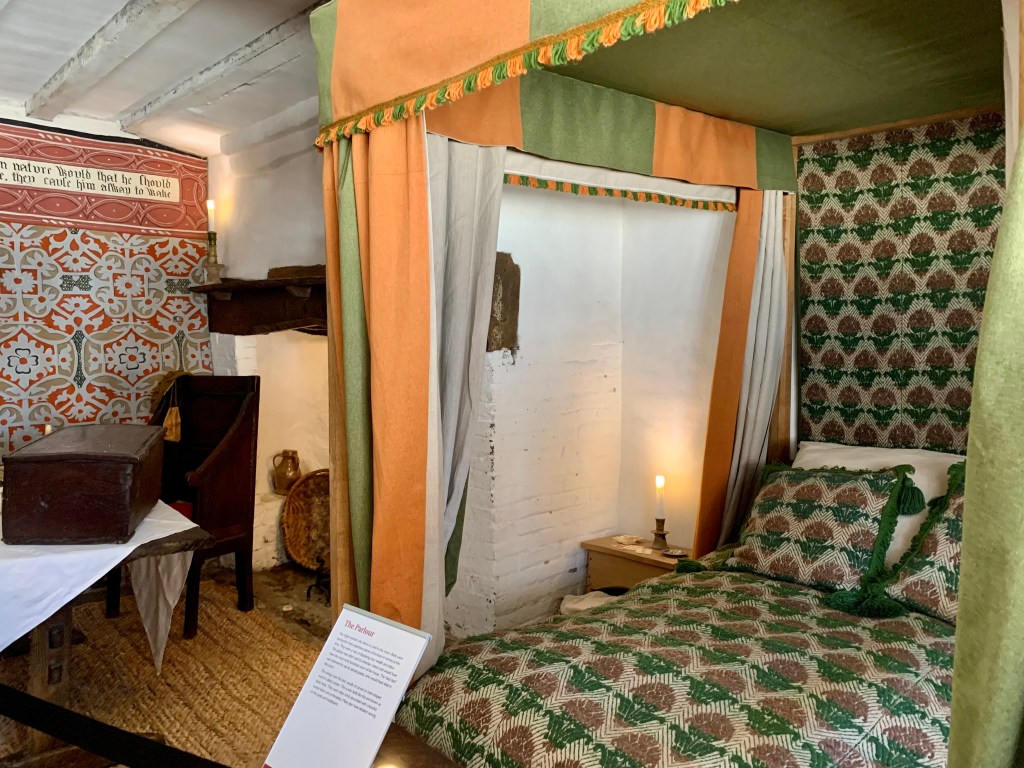
Interestingly, the bed pictured in the image below is displayed in the parlor. Why? Beds were some of the most expensive pieces of furniture that could be found in houses during Shakespeare’s time, so they were a way to display one’s wealth and status. (This recent blog published by the Shakespeare Birthplace Trust likens the practice to “displaying a new sports car on the drive-way” today.) Guests visiting the Shakespeare home would have slept on this bed, which was also known as the “best bed.”
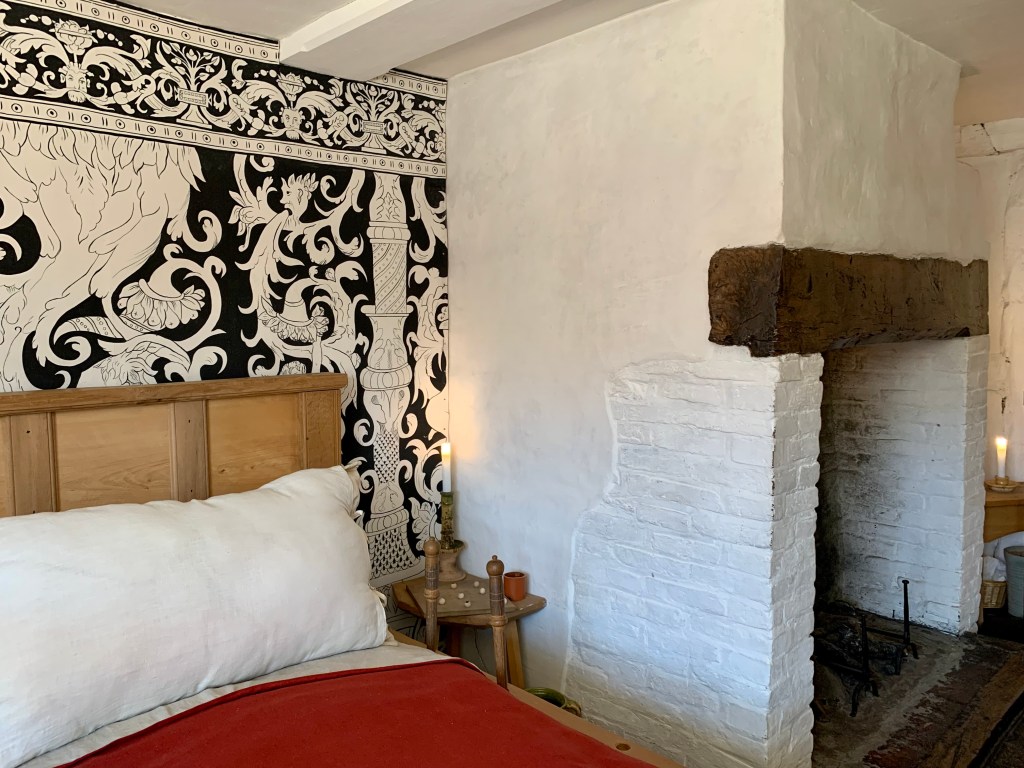
The image below shows the bedroom William Shakespeare would have shared with his younger brothers. Although this is not the original bed, it is decorated with red bedding because this was a traditional color for children’s bedding. The color red was associated with keeping illness and evil spirits at bay.
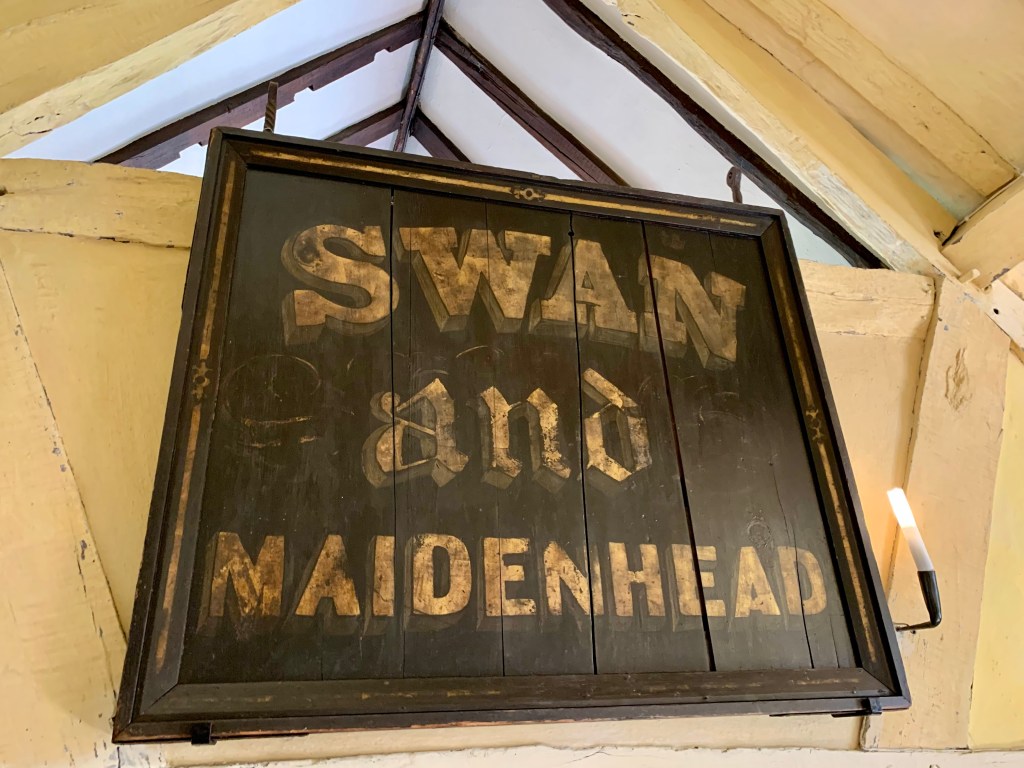
William Shakespeare inherited his birthplace property after the death of his father in 1601. At this point, an extension was added to the house and converted into an inn called “The Maidenhead.” It was later renamed “The Swan and Maidenhead,” and the original sign which bore that name can be found inside the house today.
New Place
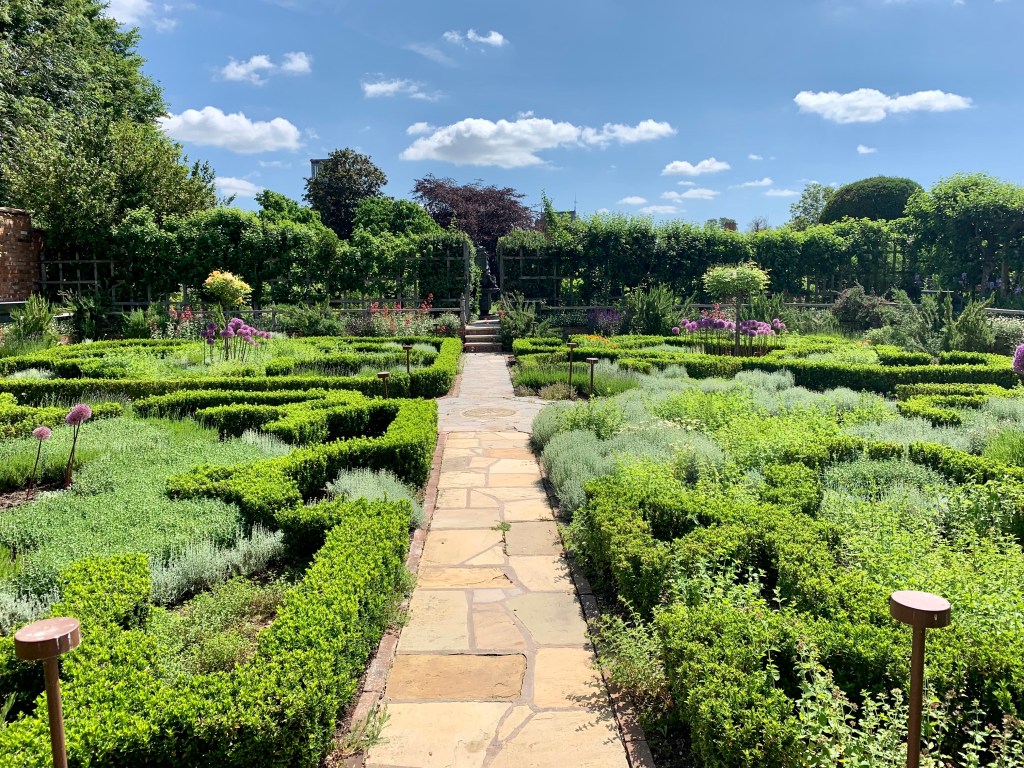
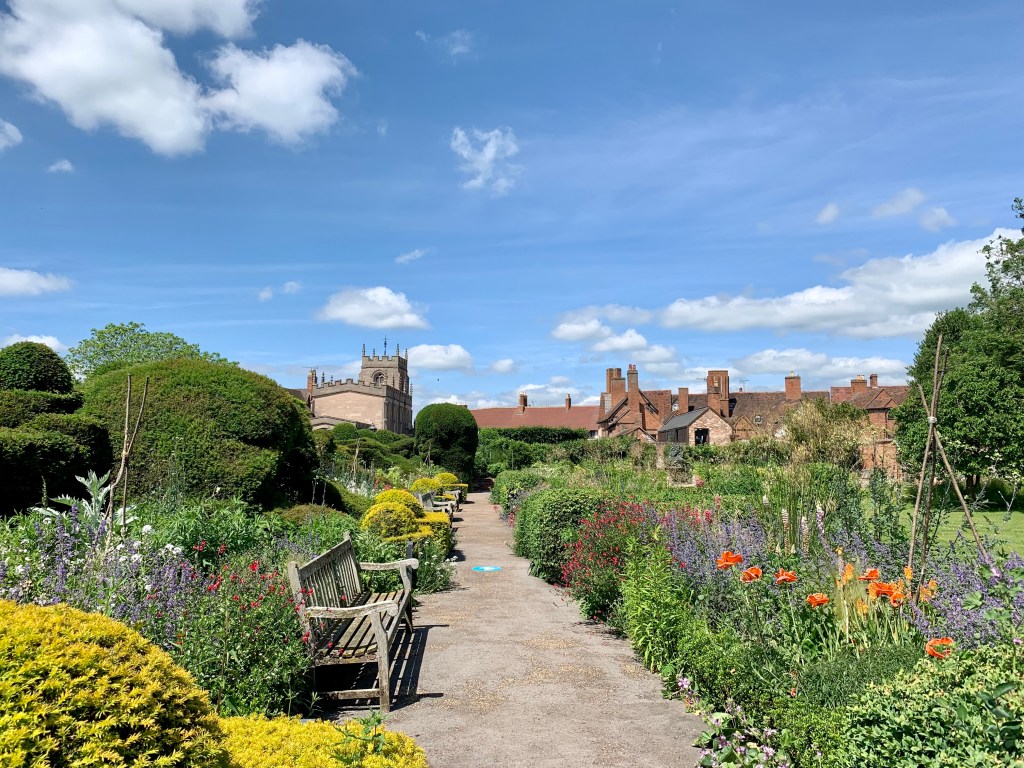
The next stop on my tour of all things Shakespeare was New Place. What exactly is New Place? By 1597, Shakespeare had purchased the largest house in the borough for £120 (which is roughly $167). This house was known as New Place. Built in the 1480s, this house had between 20 and 30 rooms. Upon Shakespeare’s death in 1616, the property was passed down to his daughter Susanna and her husband. (Shakespeare’s widow, Anne, continued to live there as well until she died seven years later.) The property was further passed down to Shakespeare’s only grandchild, Elizabeth. After she died childless in 1670, the house returned to its original owners before eventually being demolished in 1759. Today, visitors can walk around a garden planted on the site where New Place once stood.


Anne Hathaway’s Cottage
When Shakespeare was 18 years old, he married the 26-year-old Anne Hathaway (who came from a family of sheep farmers). In Tudor society, Shakespeare was surprisingly young when he was married. At that time, most men waited to marry until the age of 26 or 27 after they had enough time to complete an apprenticeship and start earning an income. In fact, Shakespeare had to obtain his father’s permission to marry because he was so young. This permission was granted, as well as a special marriage bond which allowed them to marry more quickly since Anne was already pregnant. (However, this was not as scandalous as one might assume, since many people considered themselves to already be married if they had a “handfasting” ceremony.)
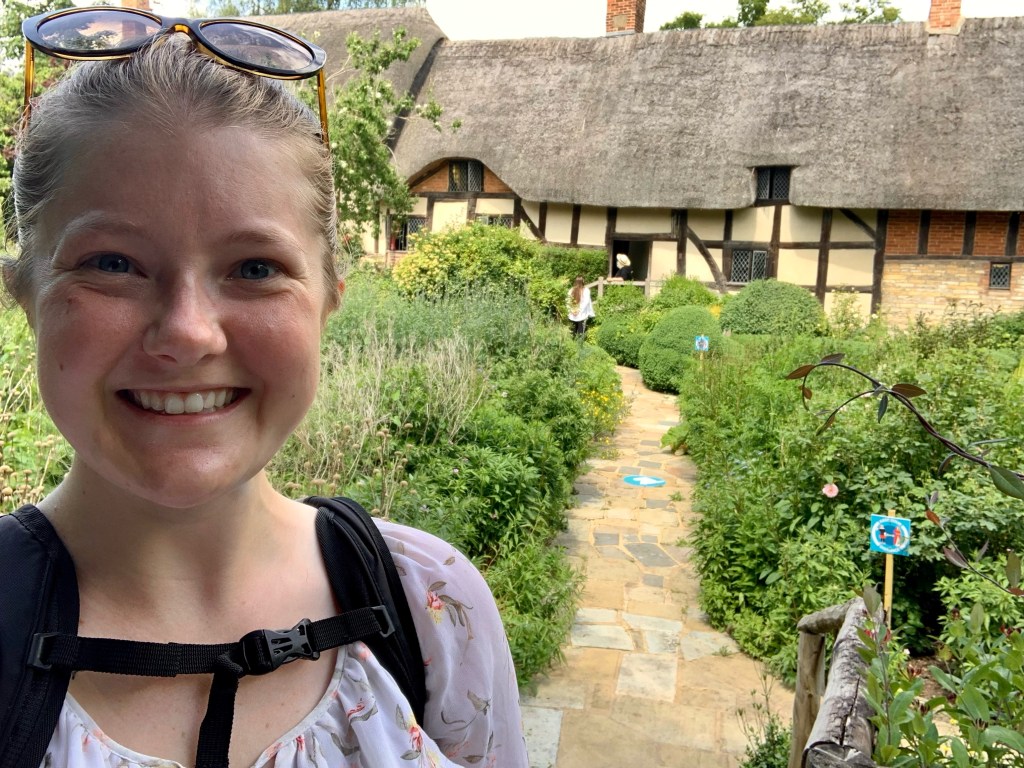
Roughly a 25-minute walk from Shakespeare’s birthplace is where you’ll find the childhood home of his wife. It is believed that she was born in the house around 1556 and that she remained living there until her marriage in 1582. Today, this house is known as Anne Hathaway’s Cottage. (Although, technically, the house is too big to be a cottage.)

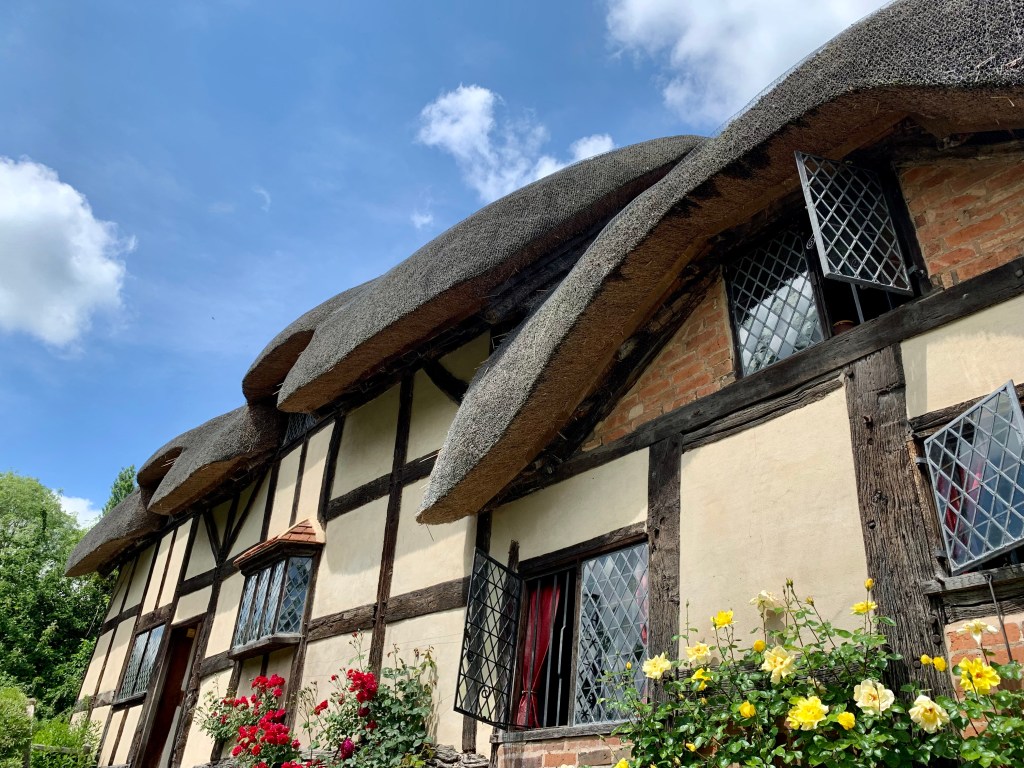
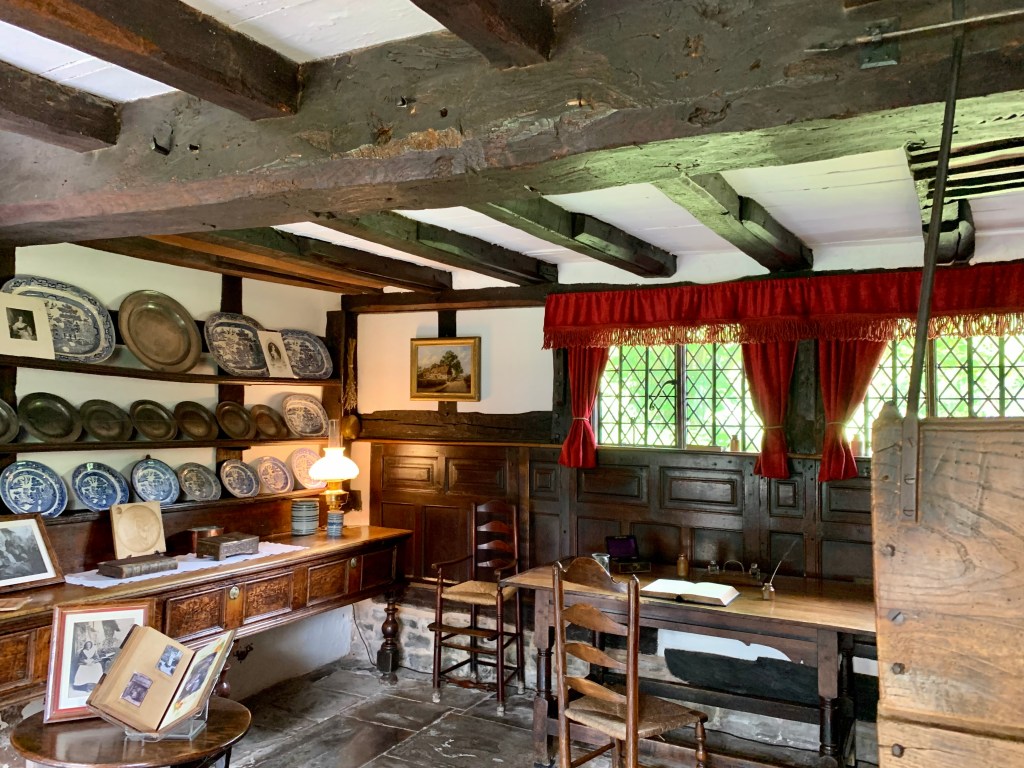
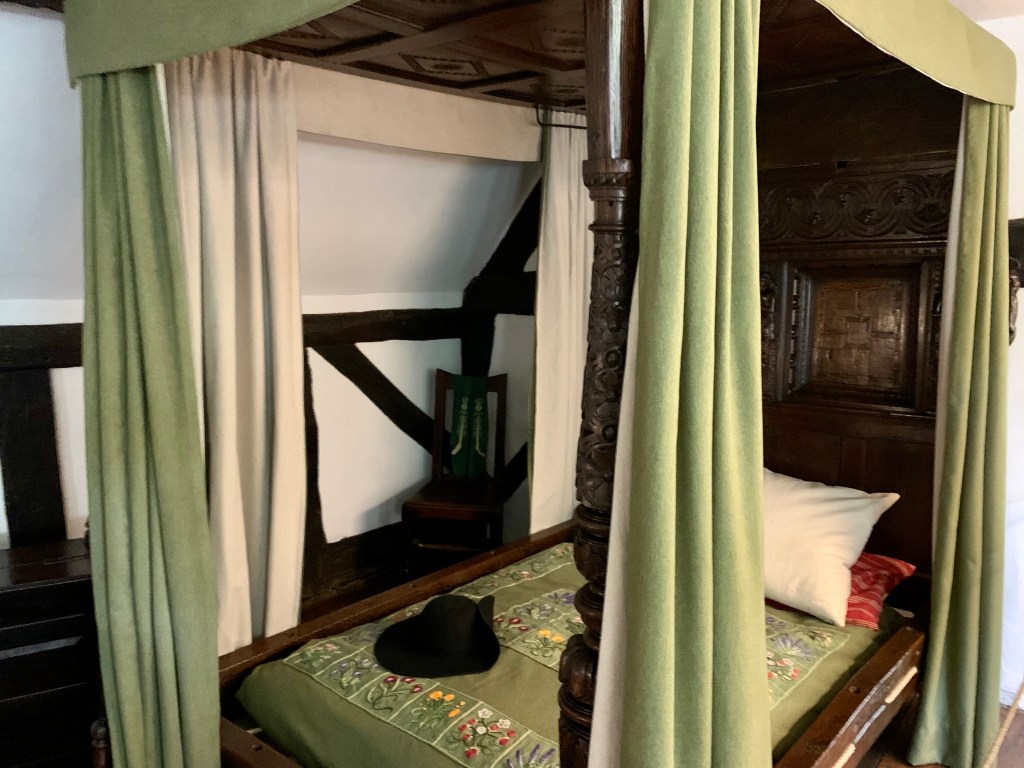
During my visit to Anne Hathaway’s Cottage, I was able to view what is believed to be the “second best bed.” What exactly is this? In his will, Shakespeare only mentions his wife of 34 years once. Toward the end of the document, he wrote: “Item I gyve unto my wife my second best bed with the furniture.” (In this case, the “furniture” refers to the curtains and bedcovers which went with the bed.) This is not entirely unusual, since Anne would have been entitled to a third of her late husband’s estate regardless of whether or not she was mentioned in the will. However, most wives were still referenced affectionately in wills – something which Shakespeare did not do in his own will. For many years, people have tried to figure out what Shakespeare’s will shows about his relationship with his wife. While some argue it is an insult that he only left her the “second best bed,” others point to the fact that the second best bed was usually the marital bed (while the best bed was reserved for guests). Thus, it is impossible to know whether or not leaving the second best bed to his wife was a romantic gesture.
Regardless, the bed which is believed to be the “second best bed” is now on display at Anne Hathaway’s Cottage (and pictured below). However, there is not enough evidence to say with certainty that the bed on display is, in fact, the “second best bed” referenced in Shakespeare’s will.
holy trinity church
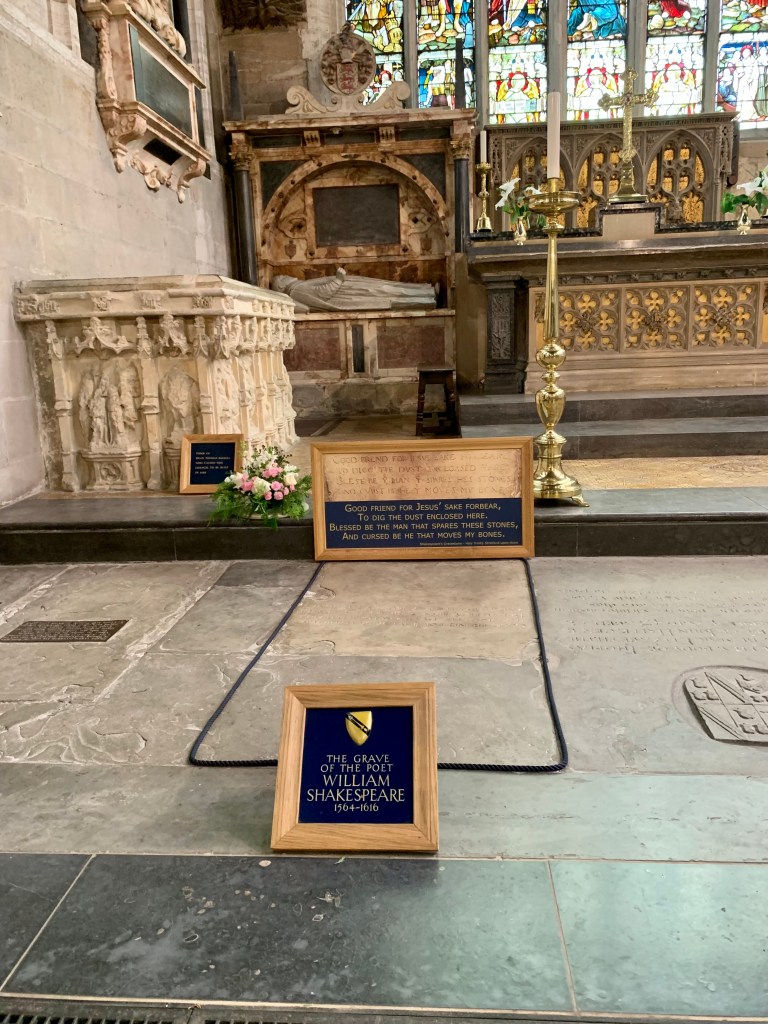
Along with visiting three of Shakespeare’s family homes, I also walked to Holy Trinity Church to see where he was buried. This is also the church where he was baptized, as well as the church where he worshipped. William Shakespeare, as well as his wife (Anne Hathaway), daughter (Susanna Hall), son-in-law (John Hall), and the first husband of his granddaughter Elizabeth (Thomas Nash), are all buried inside this church.

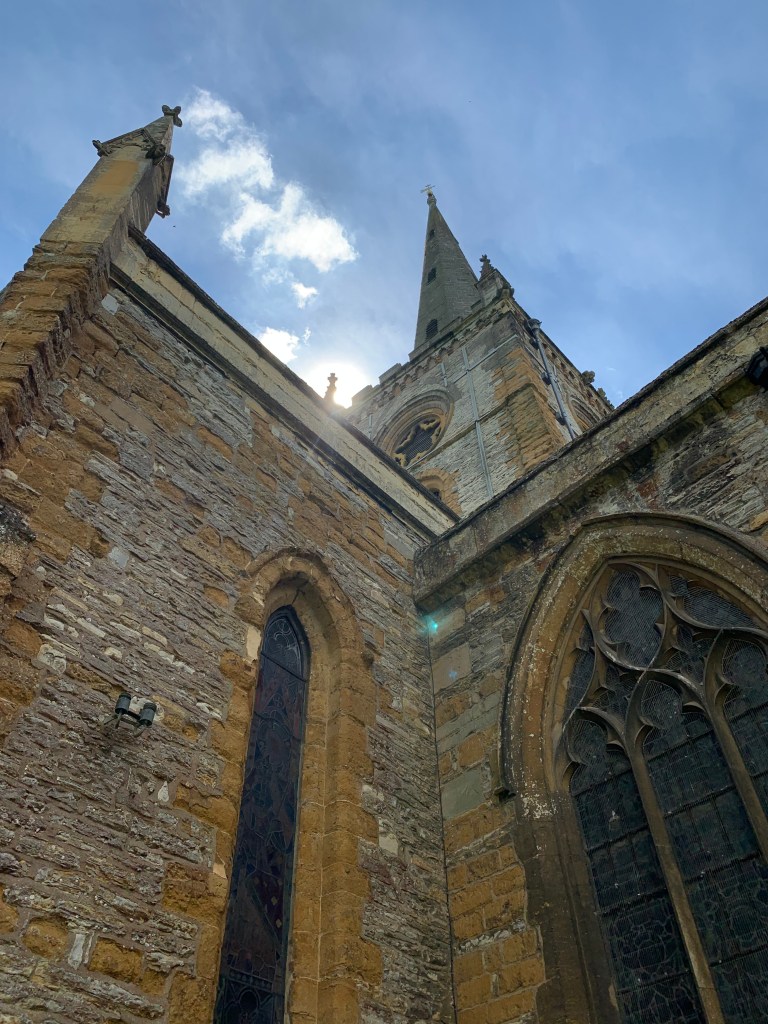


William Shakespeare’s grave is engraved with a blessing and a curse:
“Good friend, for Jesus’ sake forbear
To dig the dust enclosed here:
Blessed be the man that spares these stones,
And cursed be he that moves my bones.”
While the exact cause of Shakespeare’s death is unknown, there was an outbreak of fever in 1616 (which was the year that he died). Additionally, typhus fever was supposedly common among people who lived near a stream and there was a stream running alongside New Place. However, there are many different theories about how Shakespeare died (including a popular theory that he died after drinking too much with a rival writer named Ben Johnson and the poet/playwright Michael Drayton). If you’re interested in learning more about these theories, the Shakespeare Birthplace Trust has an entire podcast episode devoted solely to the topic of how Shakespeare died.
shakespaw cat cafe
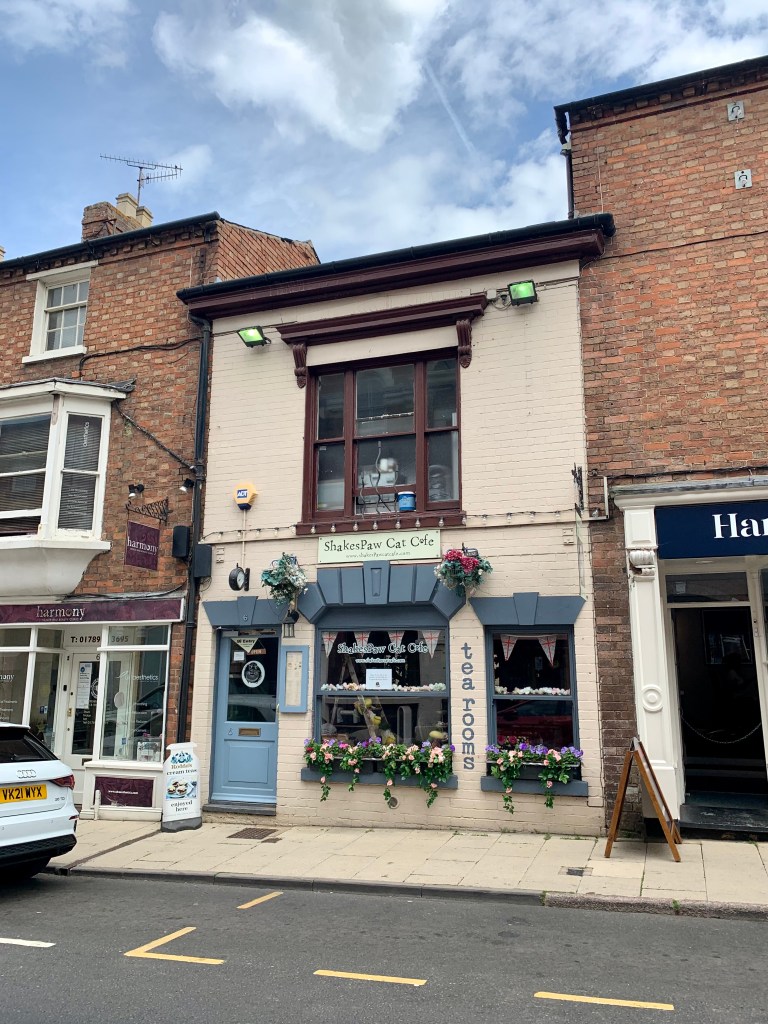
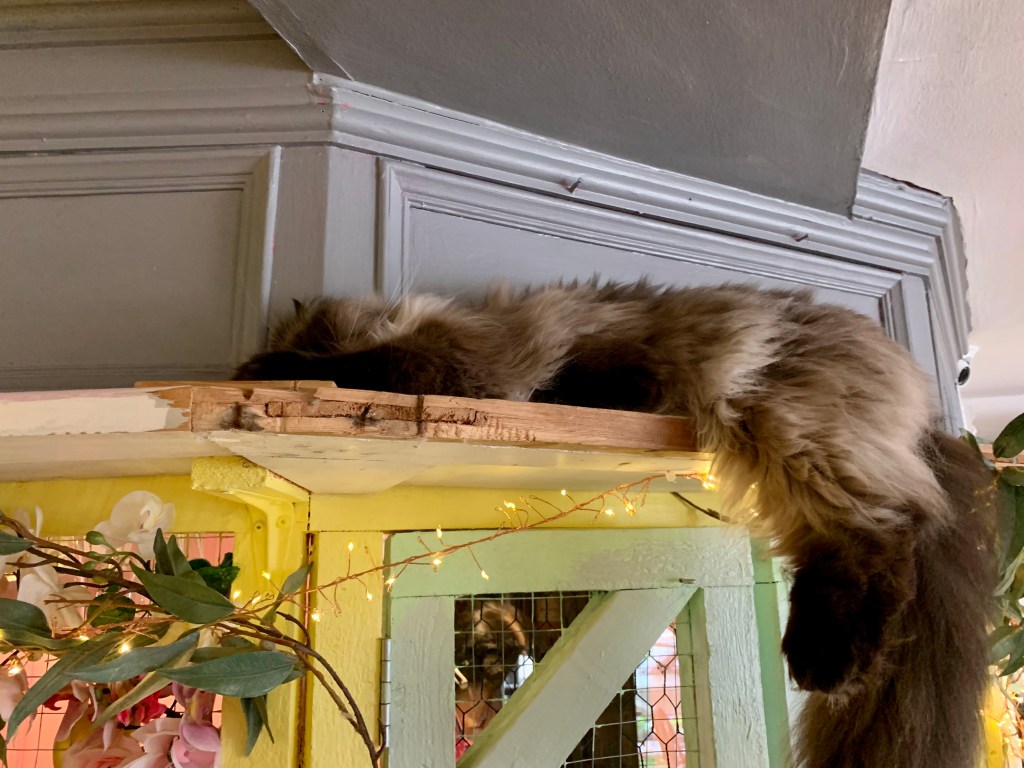
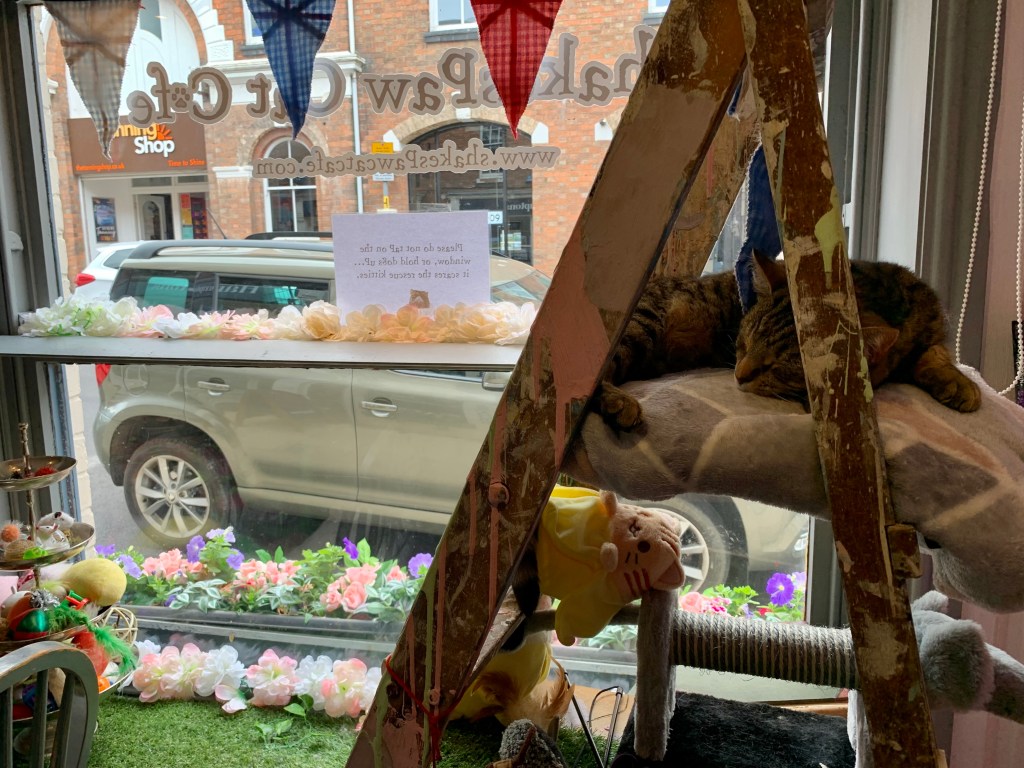
The last stop on my tour of all things Shakespeare was the Shakespaw Cat Cafe in Stratford-upon-Avon. This Shakespeare-themed cafe is home to ten cats (eight of which are permanent residents and two of which are foster kittens that will eventually be adopted). Of course, all of the cats are named after characters in Shakespeare’s plays! Although this experience was only marginally related to the actual life of the Bard, it was one of my favorite parts of my visit to Stratford-upon-Avon. The experience definitely reignited my dream to someday open up my own cat cafe!


Other Stratford Things
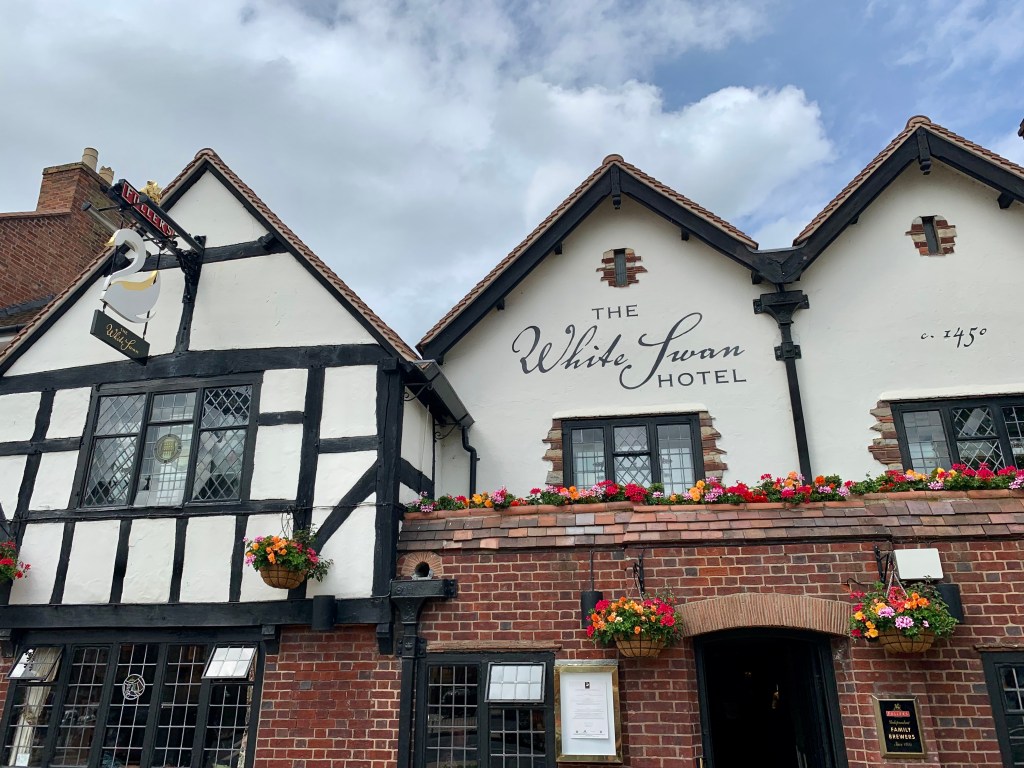
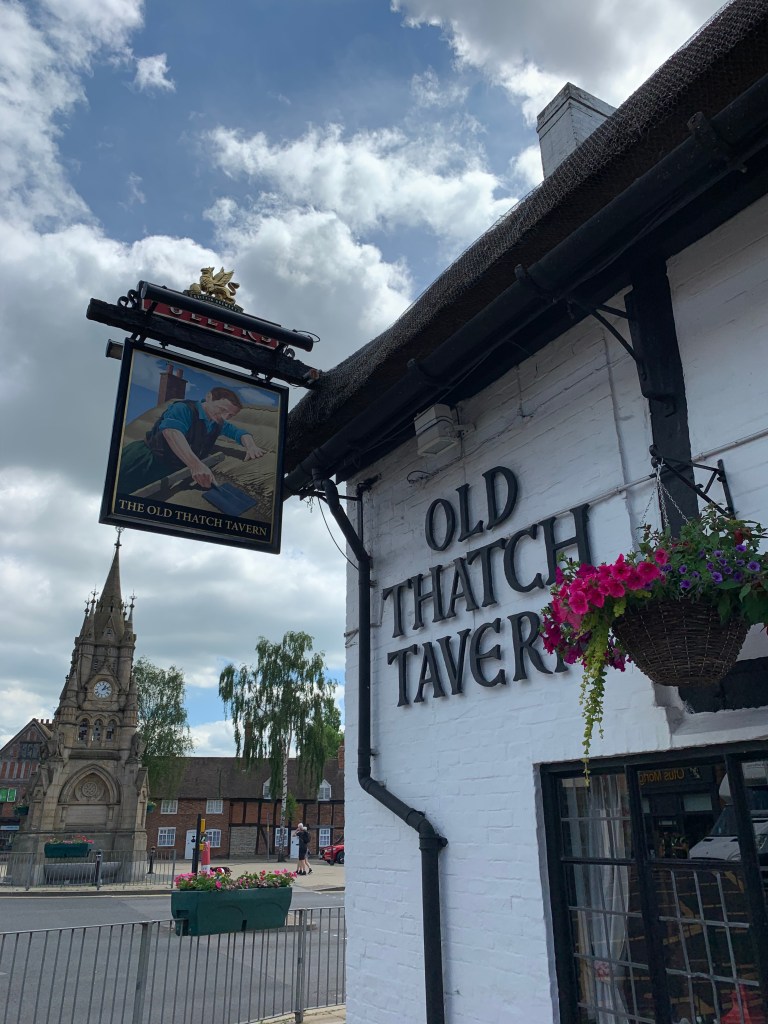
Aside from visiting Shakespeare-related sites, I also enjoyed meals at The White Swan Hotel and Old Thatch Tavern while in Stratford-upon-Avon. Additionally, I really enjoyed visiting the Stratford Butterfly Farm! I won’t bore you with too many details about these experiences since I’ve already droned on for more than 2,000 words about all things Shakespeare, but I’ll just note that I would highly recommend all three of these places to anyone visiting Stratford-upon-Avon in the future!


Back in Reading
After an eventful 48 hours in Stratford-upon-Avon, I am now back in Reading. Those of you who read my last blog post may remember that I was starting to learn how to use Stata in preparation for conducting data analysis for my dissertation. In the ten days since I last wrote, I have definitely become much more familiar with Stata! (And for anyone who is a beginner like me and wants to learn more about this statistical software, I would highly recommend the Social Science Computing Cooperative’s Introduction to Stata and Data Wrangling in Stata.) The next step is to continue honing the script and figuring out exactly which model I want to use. Fingers crossed that I can get all of this done soon so that everything is ready for analysis by the beginning of July!



Delightful! It’s fun hearing about and seeing photos of your Adventures! Thanks! Keep having fun as well as working on your degree!
LikeLiked by 1 person
Thank you for your kind words!
LikeLike