
This past weekend, I hopped on a train and spent a magnificent three days in Dover! Those of you who read my last blog post will know that I was looking forward to seeing the White Cliffs of Dover. However, once I arrived in Dover, I actually ended up seeing a few other sights as well! While the trip is fresh in my mind, I want to write a blog post about everything that I was able to see. So, here goes!
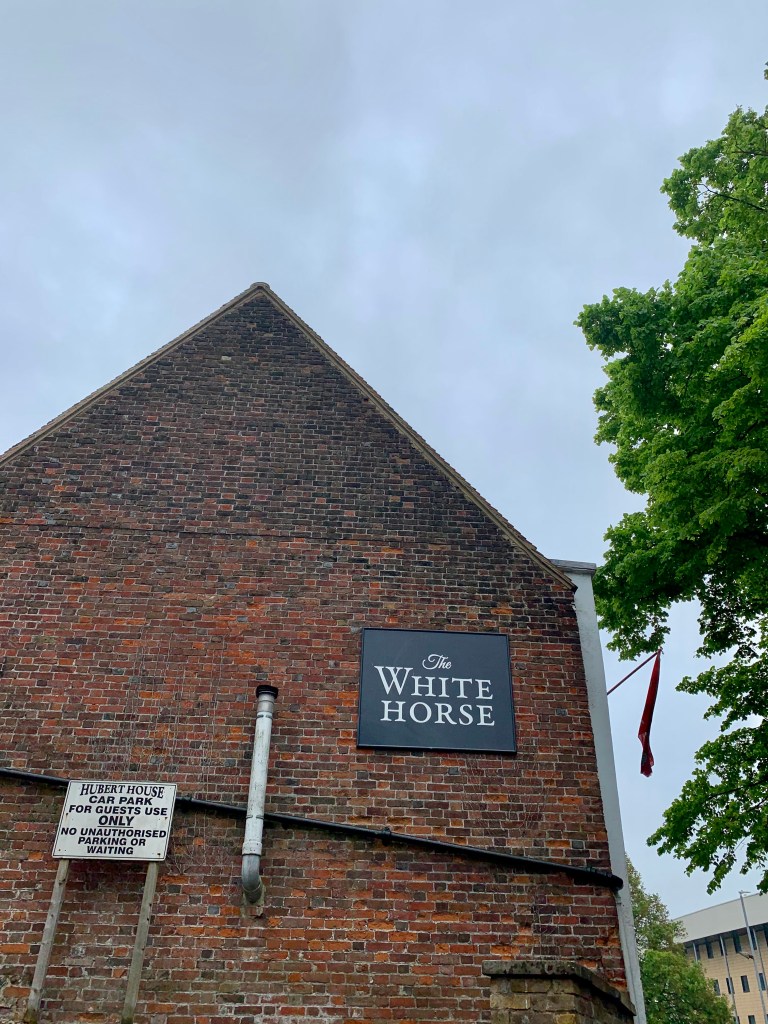
The White Horse
After spending four hours on two different trains, I dropped my luggage off at the Travelodge and quickly started looking for a place to grab a bite to eat. It was pouring rain, but fortunately I quickly figured out that I was only a three minute walk away from TripAdvisor’s top-rated restaurant in Dover: The White Horse! This discovery led to my first experience eating fish and chips in England. (Coincidentally, this happened to take place on National Fish and Chip Day without me even realizing it!)

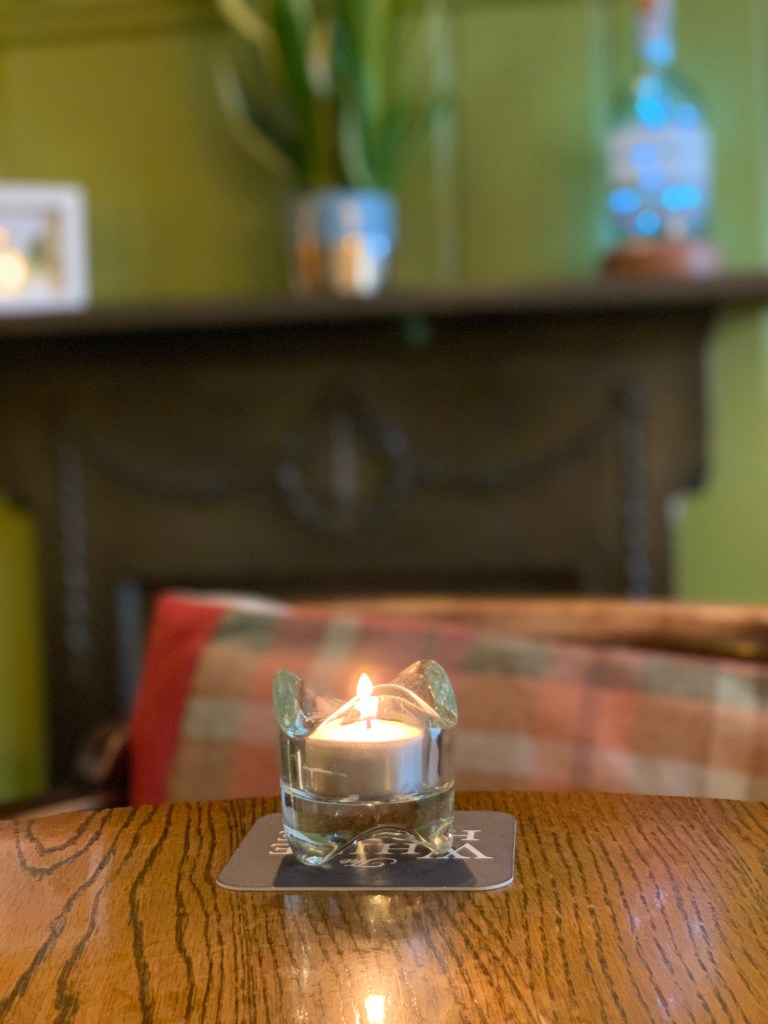
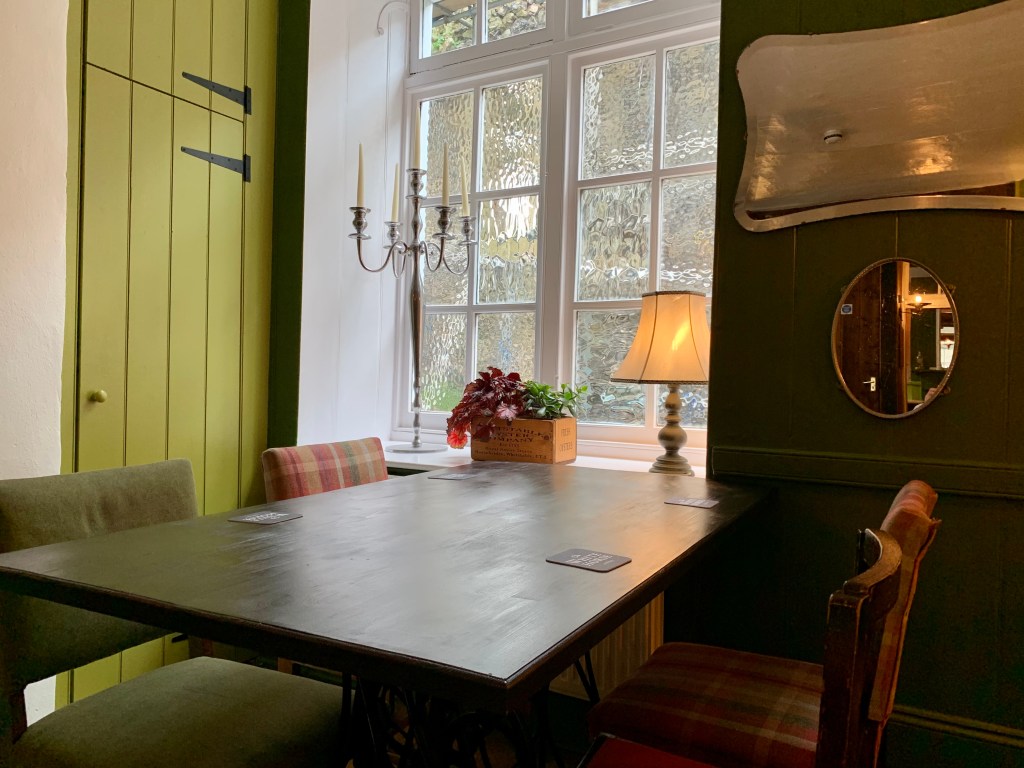
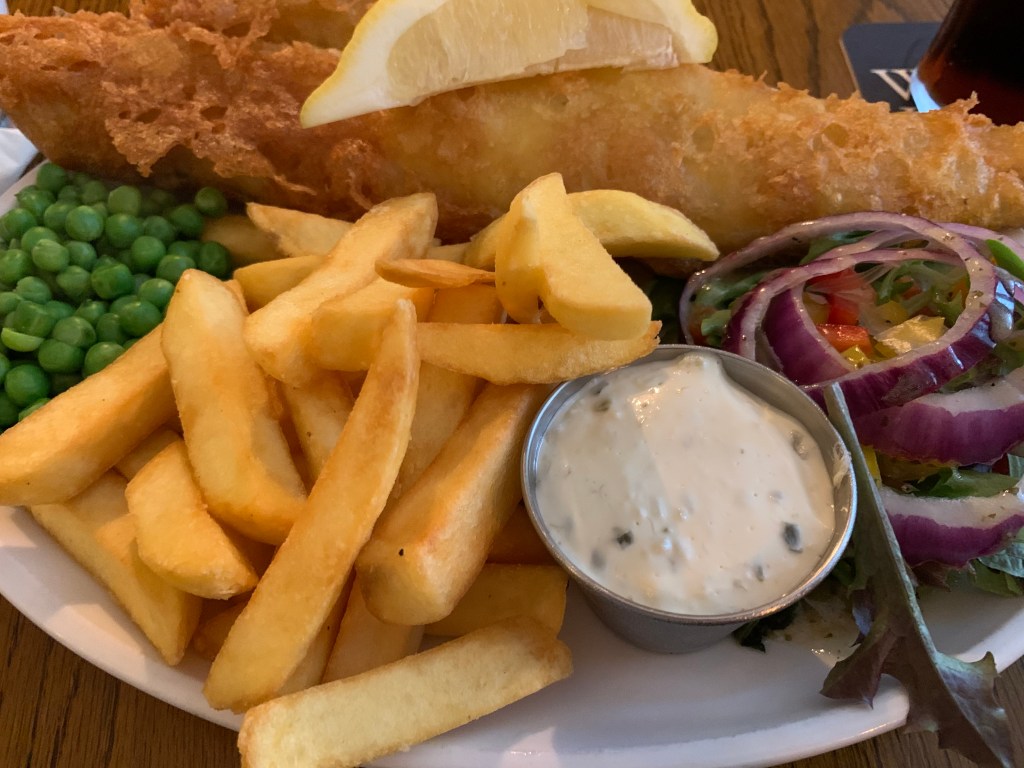
Referred to as “the good companions” by Winston Churchill, fish and chips are a national institution in England. During World War II, this meal was one of the few food items which was never rationed in England. This was because the government believed that safeguarding this meal would be a way to maintain morale. And while I clearly can’t speak for the experiences of those who lived through and fought in World War II, I can say that my morale was definitely improved by the delicious fish and chips I chowed down at the White Horse!
Dover Castle
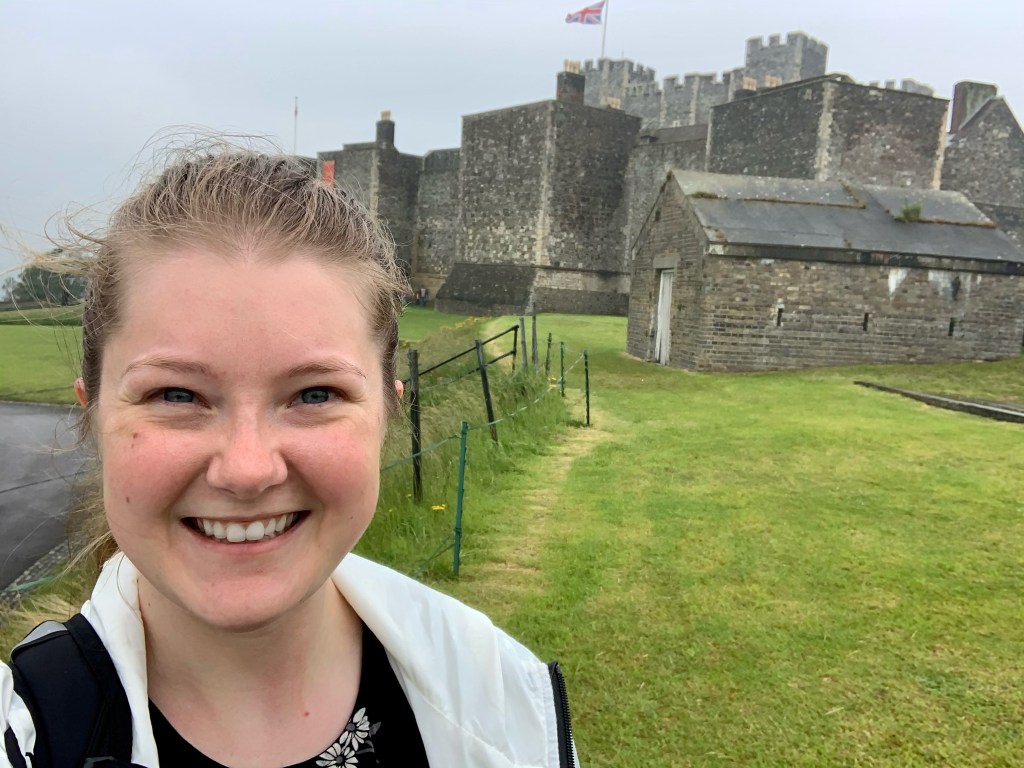
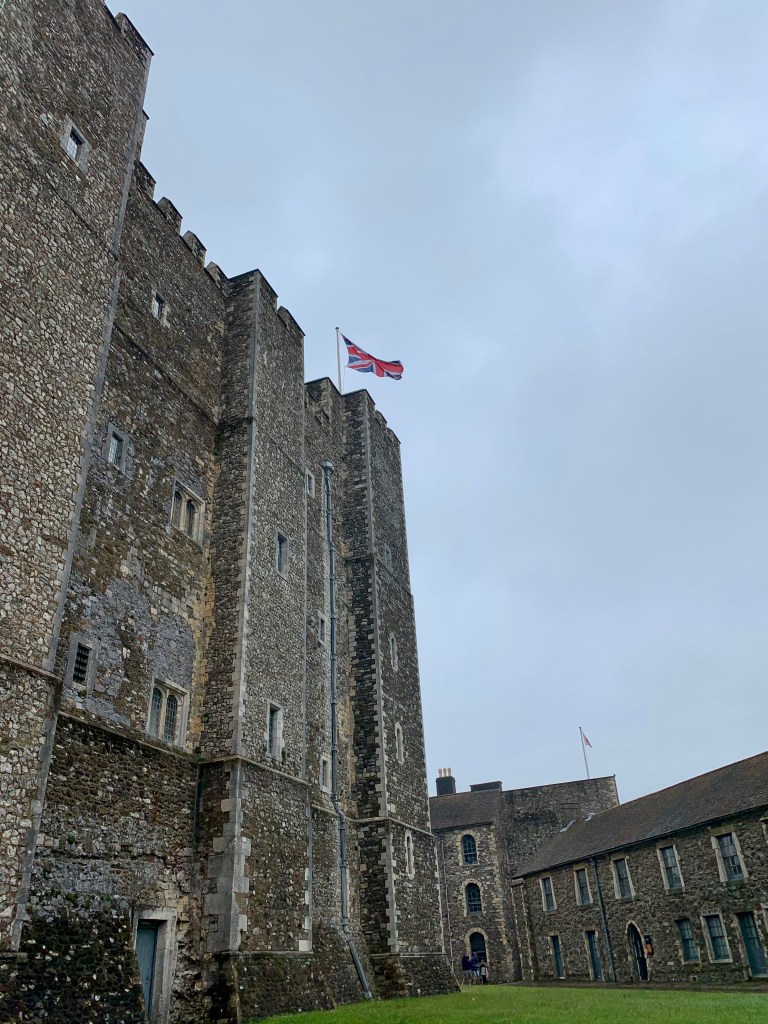
After finishing my meal at the White Horse, I walked to Dover Castle. Long before the castle was built, a Roman lighthouse was constructed at the site (in roughly the first half of the second century AD) to help guide ships into the harbor. Eight centuries later, a church was built next to the lighthouse. Today, it is known as the Church of St Mary in Castro.
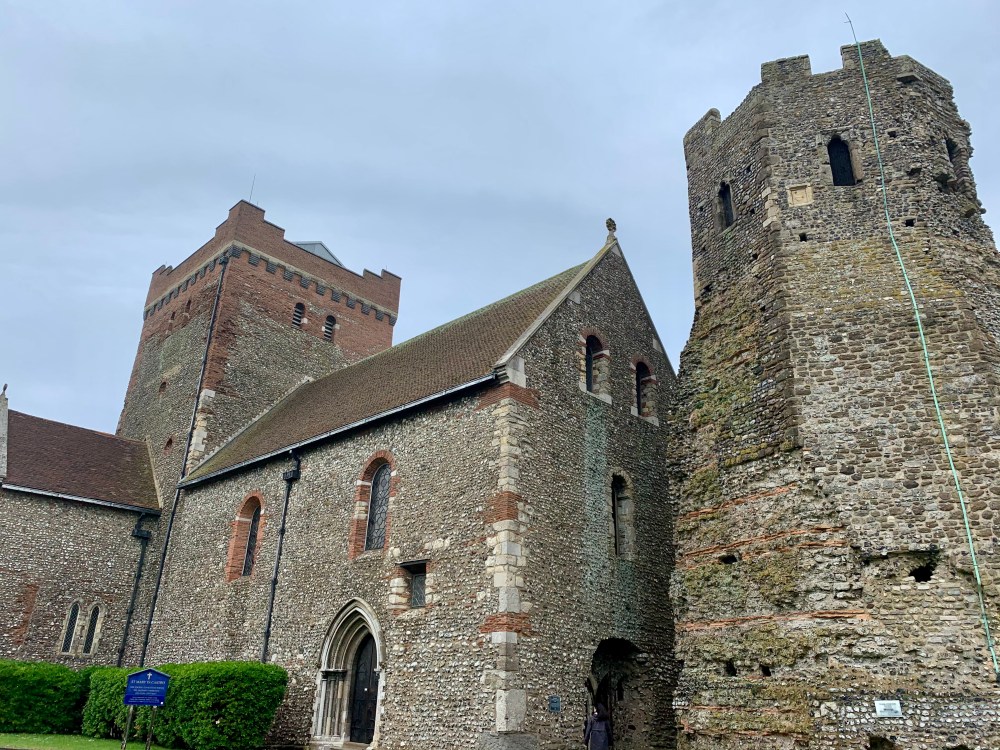
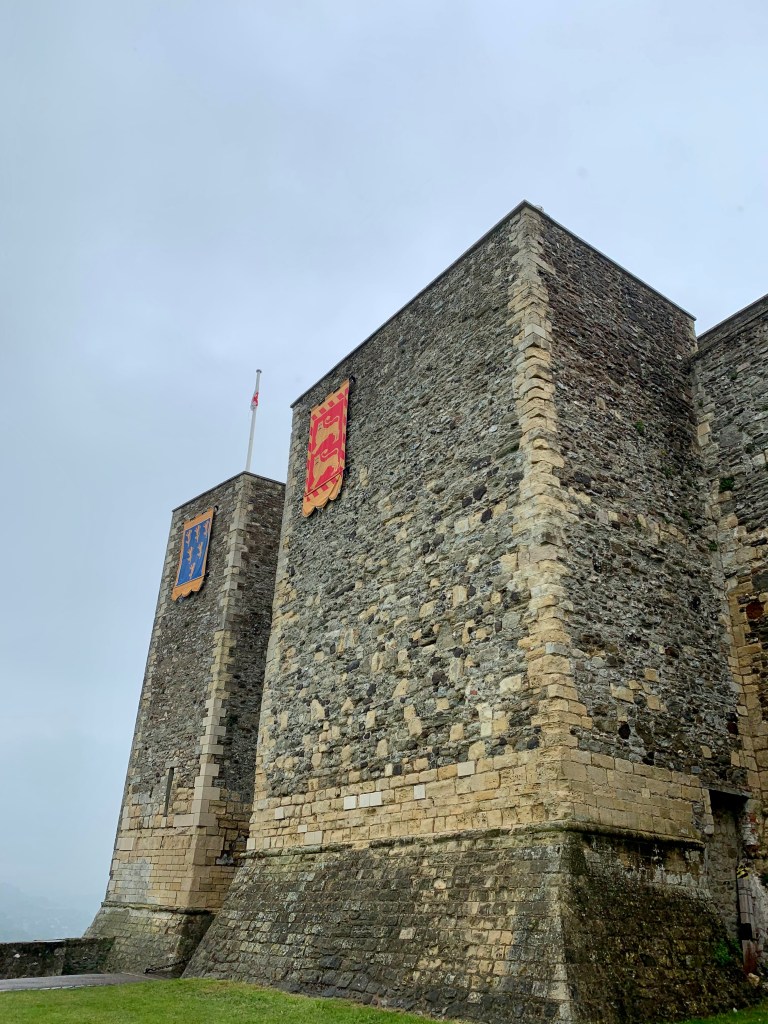
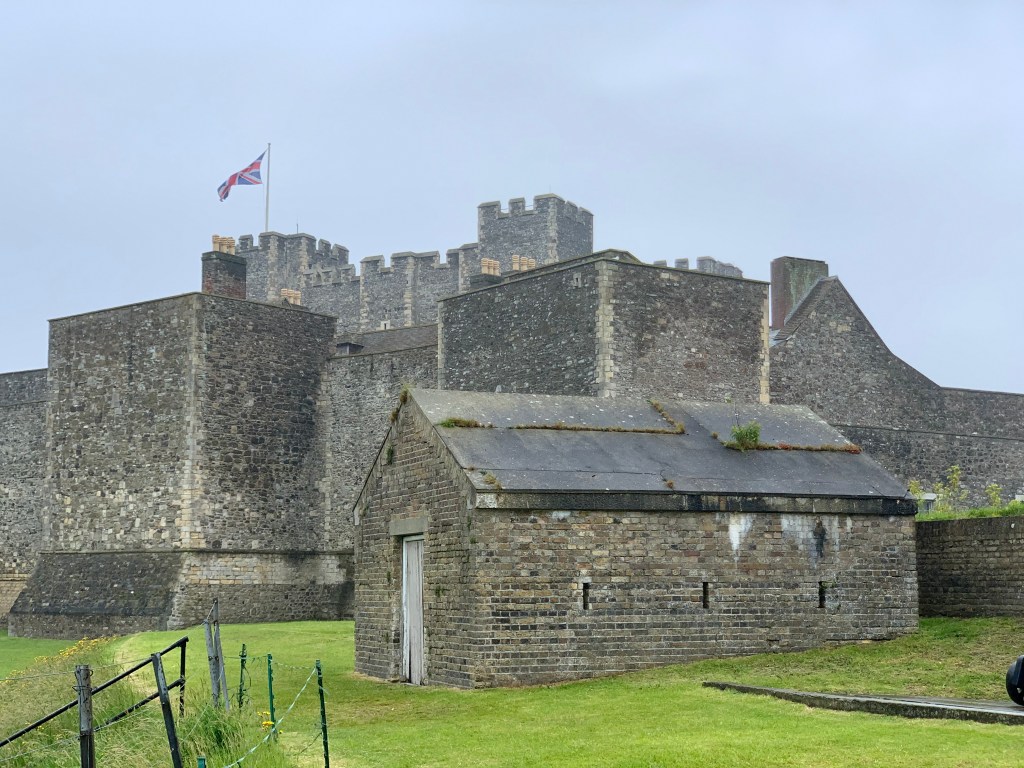
After the Battle of Hastings, the Normans built a castle northwest of the lighthouse and the church. The castle’s great tower was built by King Henry II in the 1180s at a cost of more than £6,000 (which would have been a massive amount at that time). Construction work continued under King John and King Henry III, and the rings of defensive walls were put to the test in 1216-1217 when Dover withstood a siege by French forces after rebel barons invited Prince Louis of France to assume the English Crown. Due to its location overlooking the English Channel’s shortest crossing point, Dover Castle was a strategic point of attack. (As one might be able to guess, Prince Louis was ultimately unsuccessful.)

Statue of Admiral Ramsay 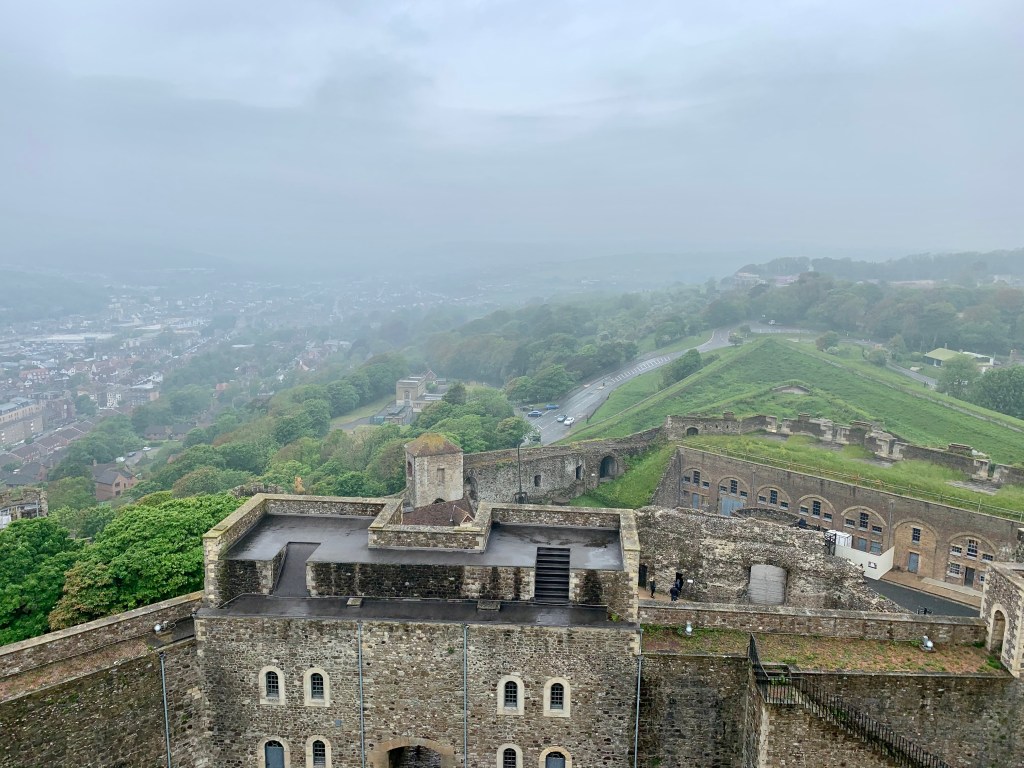
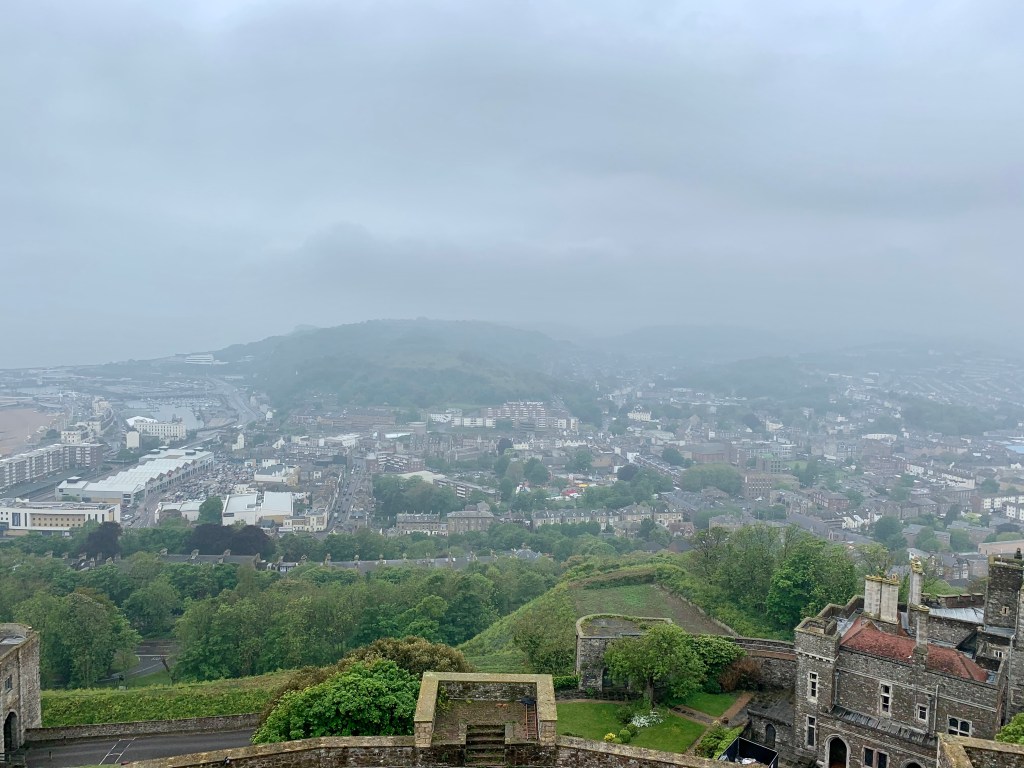
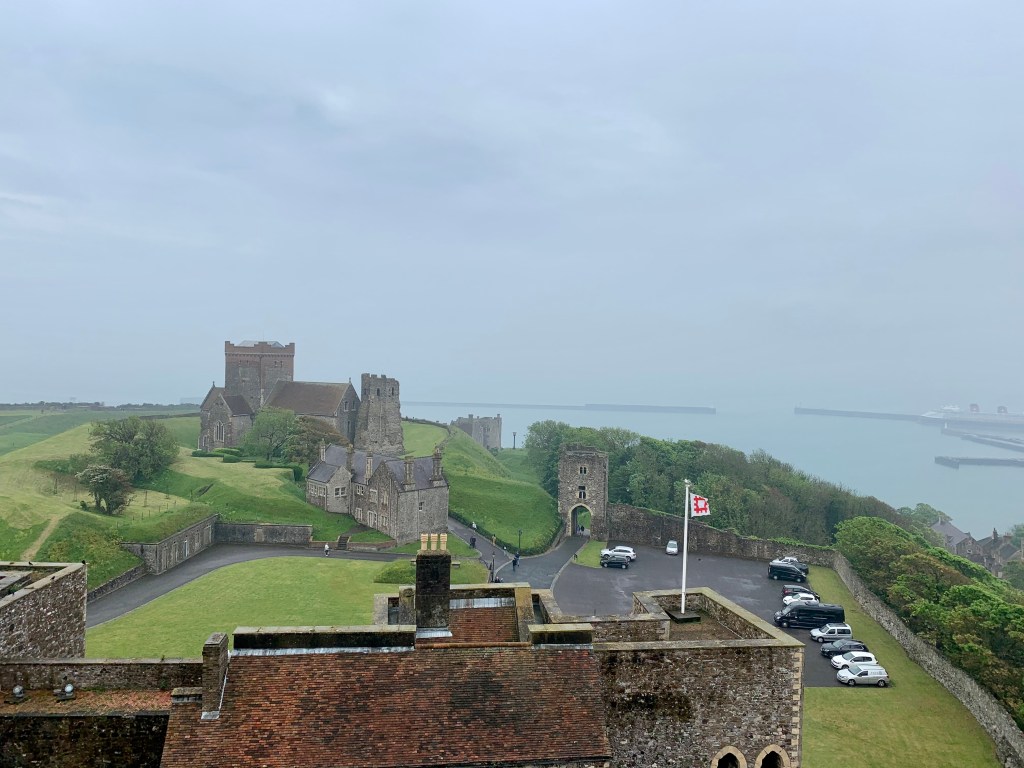
Until the English Civil War (1642-1651), the great tower was occasionally used as a residence for the monarch and his court. After the Civil War, it was used for a variety of purposes (including housing French prisoners of war). Tunnels were excavated under the castle during the Napoleonic Wars (1803-1815). During World War II, the castle became the Admiralty’s regional command headquarters. The Napoleonic tunnels served as the location from which Vice Admiral Bertram Ramsay organized Operation Dynamo (which was the operation to evacuate British forces from Dunkirk in 1940). The tunnels were renovated after the Cuban Missile Crisis of 1962 so that they could serve as one of the twelve Regional Seats of Government during a nuclear war. They remained filled with supplies (which fortunately went unused) until the 1980s in case such a nuclear war did take place. (While these tunnels are usually open to tour, they are currently closed due to the COVID-19 pandemic. You can, however, take a virtual tour of Dover Castle here.)
The White Cliffs of Dover

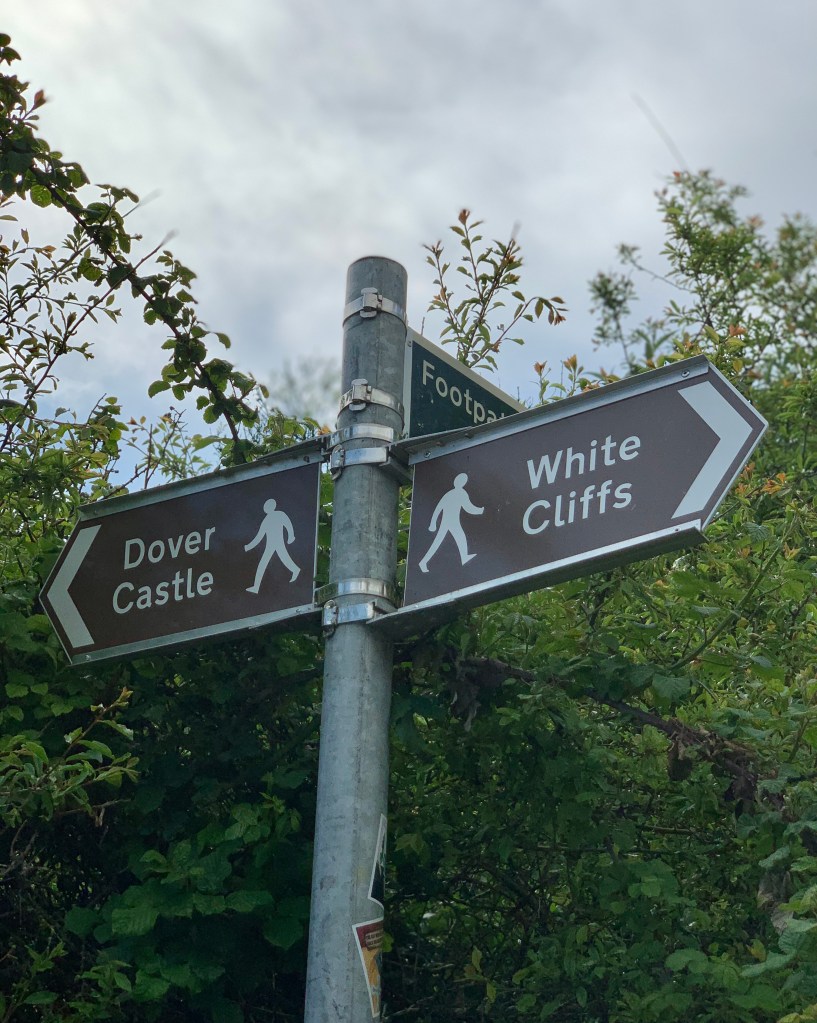
On my second day in Dover, I hiked from the Travelodge to the White Cliffs of Dover. During World War II, these cliffs were Britain’s frontline. They were also the site of the Langdon Convict Prison, built in the 1880s after prisoner transport to the colonies ended. The cliffs themselves were formed during the Cretaceous period, and are made of chalk. The cliffs stay white due to natural erosion, which occurs at a rate of about 10 centimeters per year. The Port of Dover, which is Europe’s busiest ferry port, is overlooked by these cliffs.
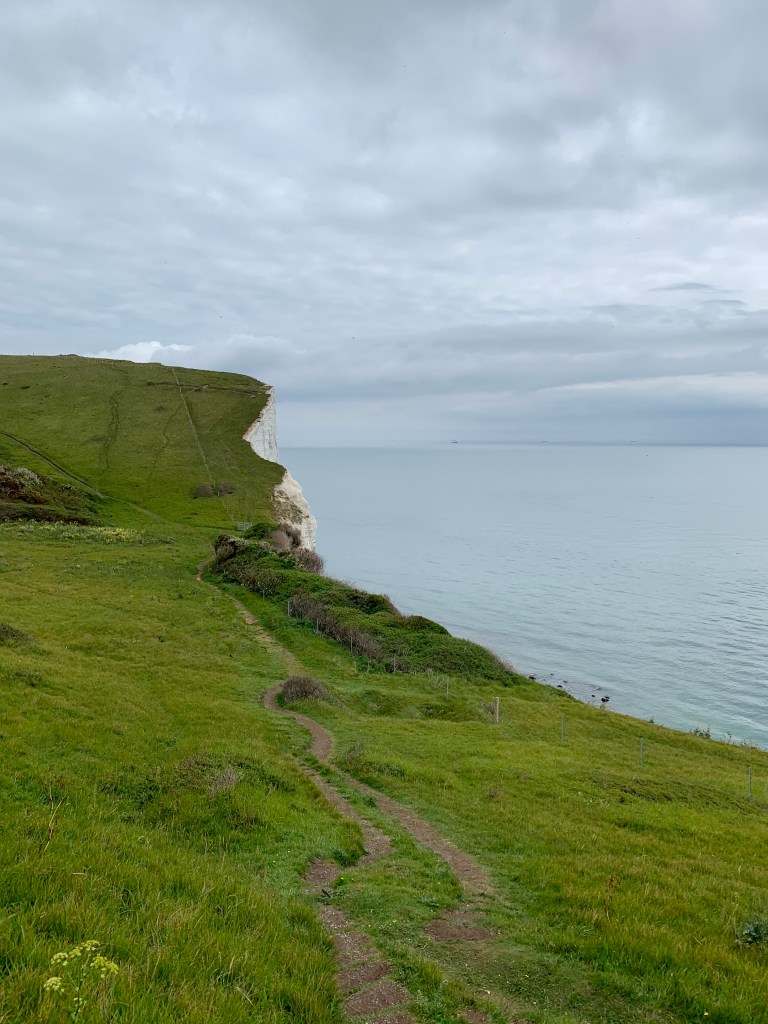

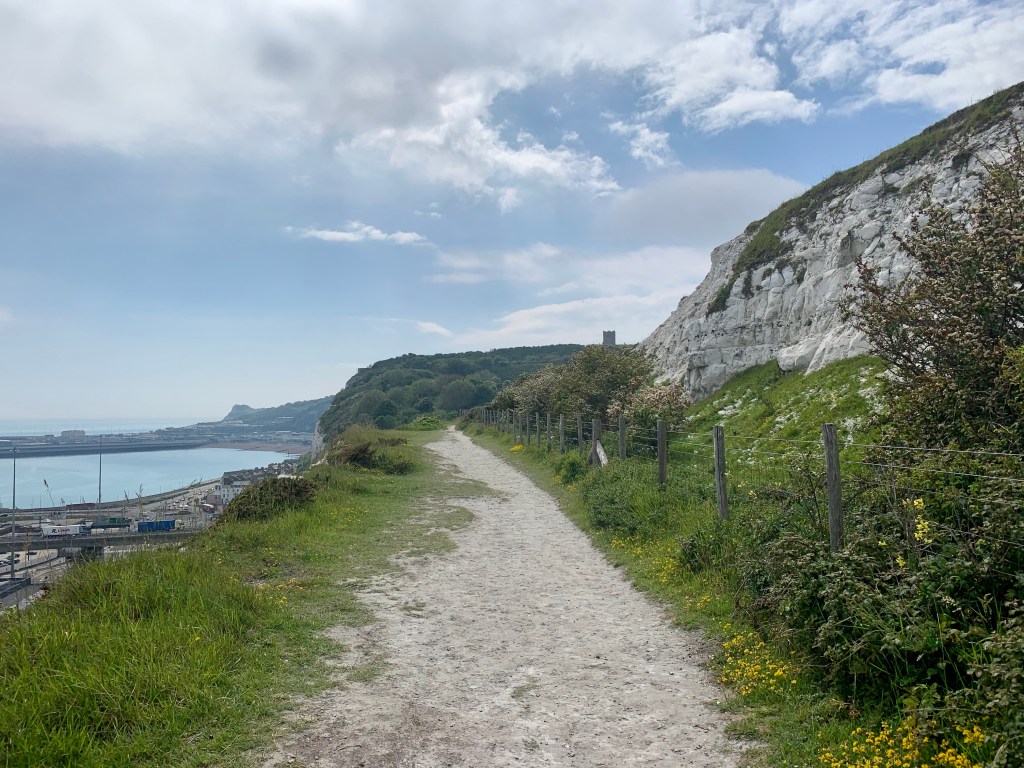

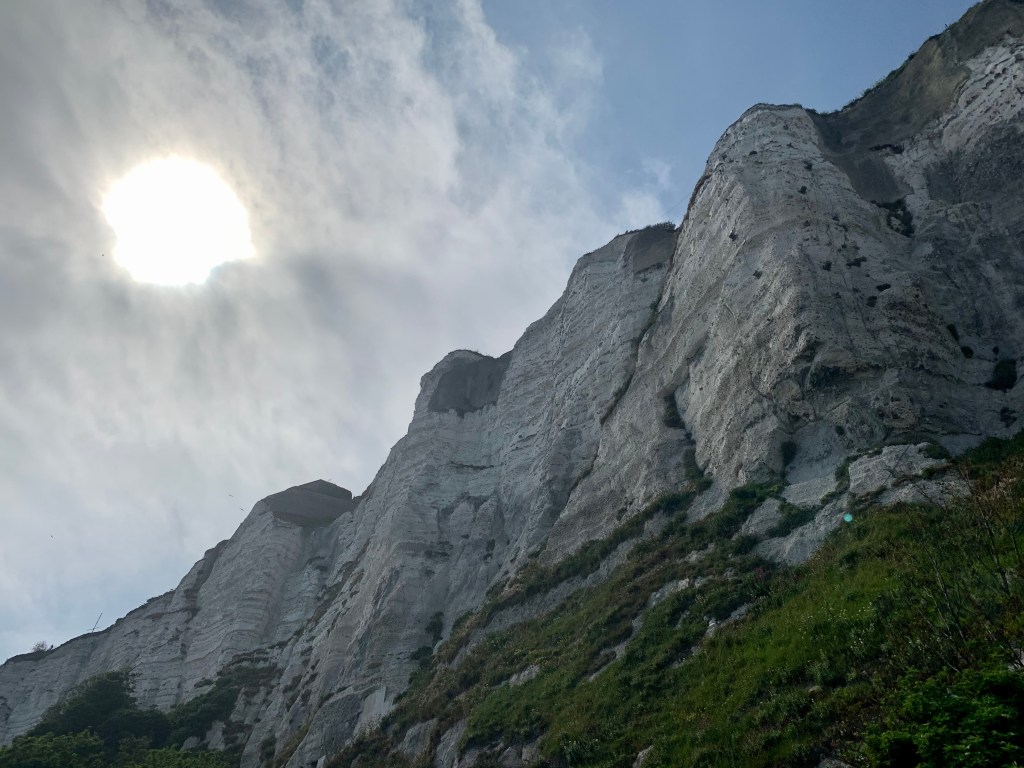
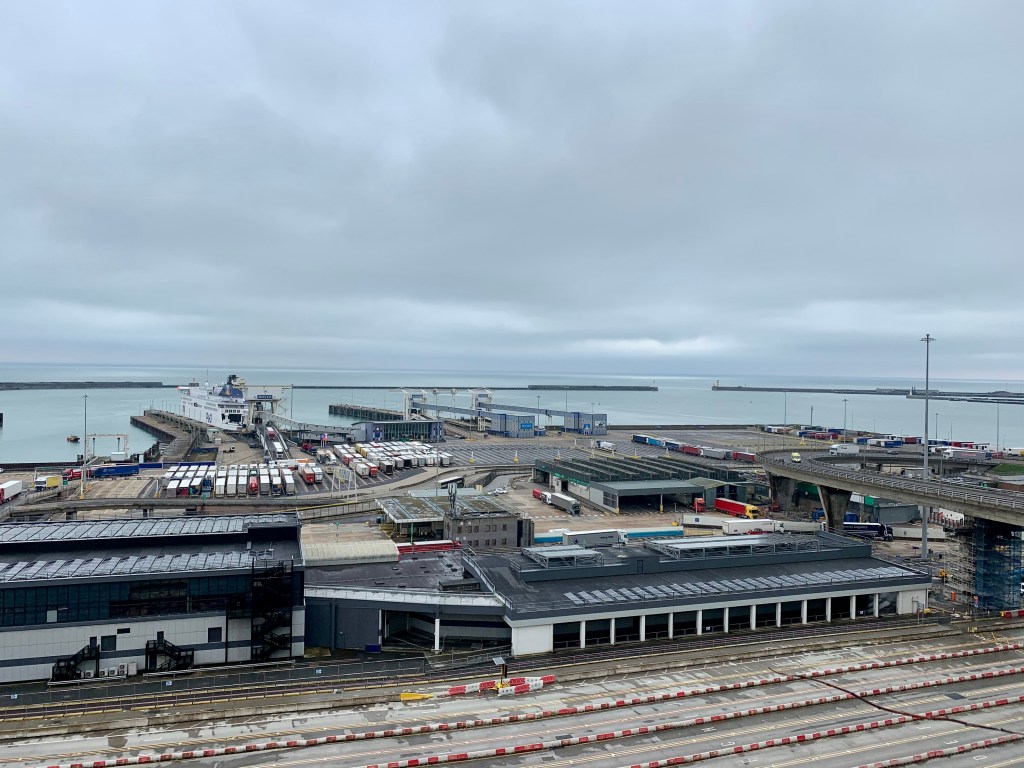
The Port of Dover 
South Foreland Lighthouse
Seated amongst the White Cliffs of Dover, the South Foreland Lighthouse was built in the middle of the nineteenth century. This lighthouse was one of two lighthouses constructed in the area to warn ships about the Goodwin Sands. (More than a thousand ships are known to have wrecked on these sandbanks.) After extensive testing was conducted by the well-known Michael Faraday, in 1858 this lighthouse became the first one in the world to use an electric lamp. In 1899, Guglielmo Marconi sent the first international radio transmission from the lighthouse.
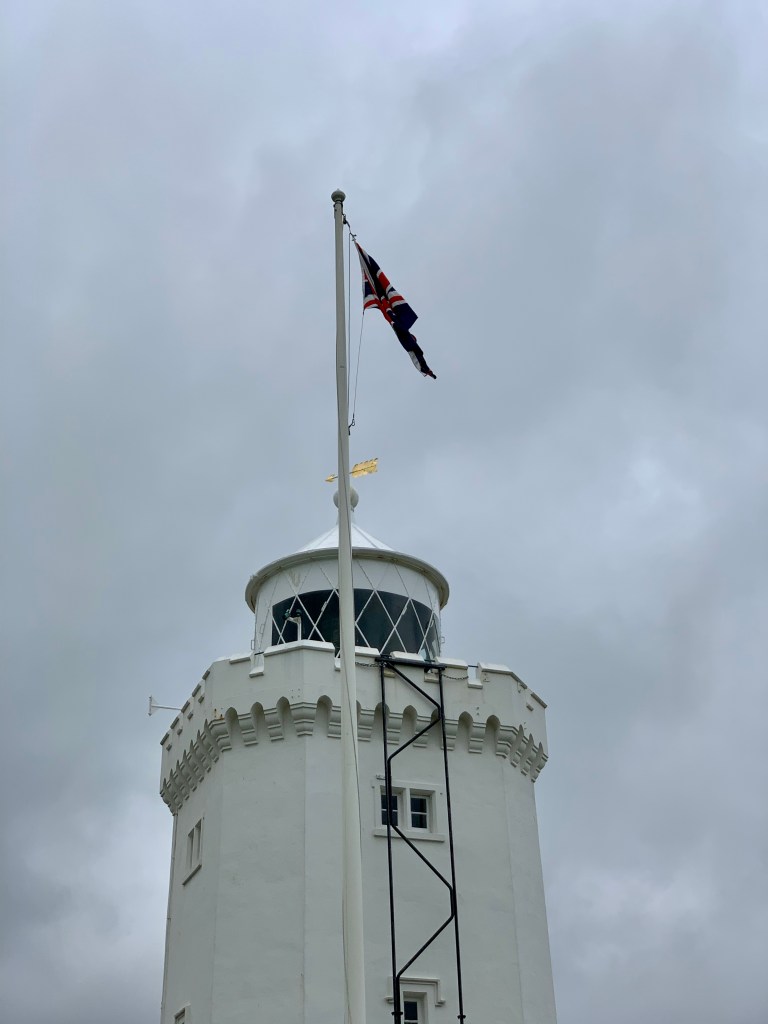

Inside the South Foreland Lighthouse
Dover Seafront
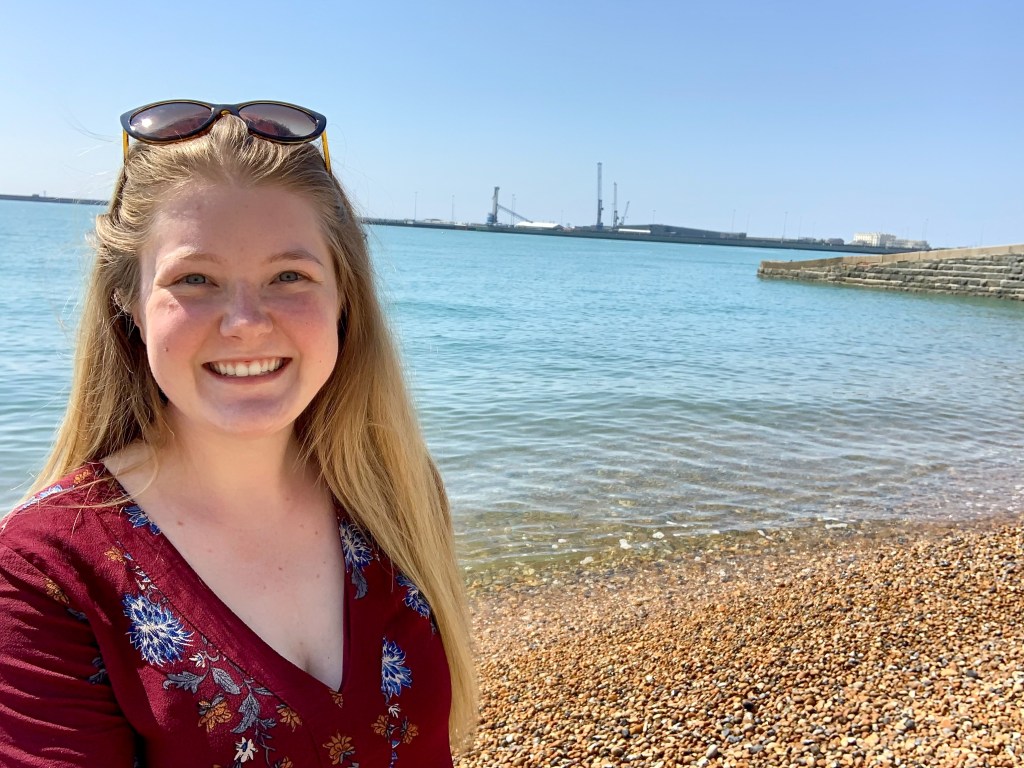
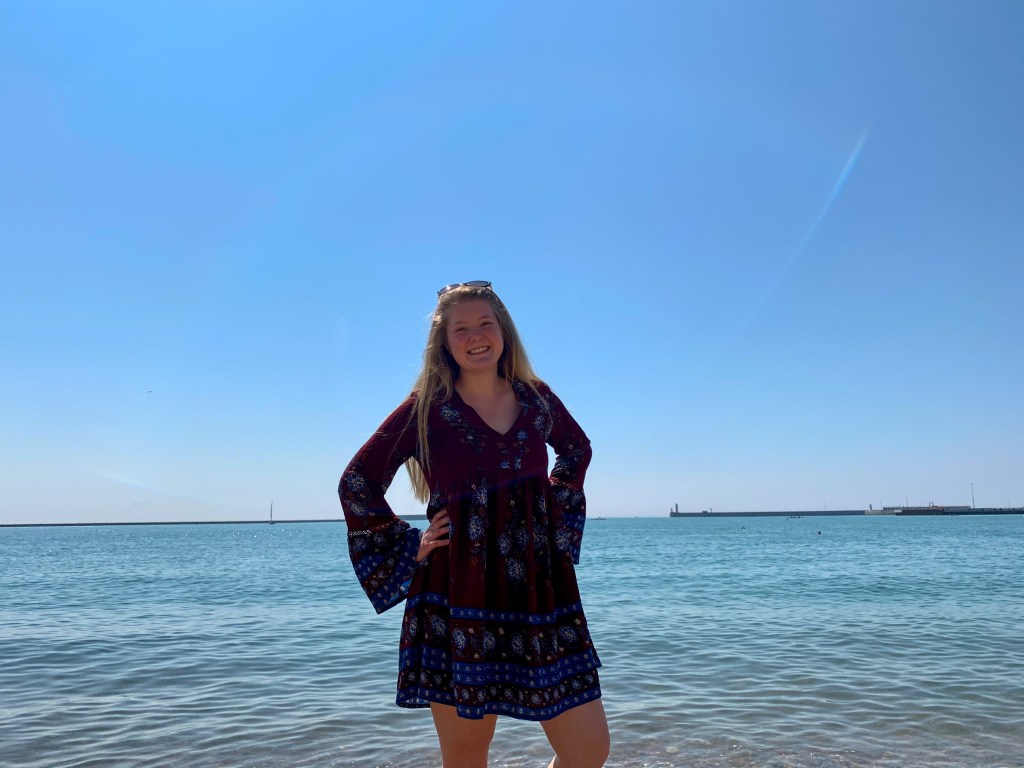
On my last day in Dover, I spent the morning reading and soaking up the sun at the seafront. It was neat to see so many people swimming, especially since people who swim the 21 miles across the English Channel usually start their journeys in Dover!
Back in Reading
After taking the train back to Reading, I am now refocused on my dissertation work! My goal this week is to continue to familiarize myself with the statistical software Stata in preparation for completing data analysis. As of right now, I am planning on looking at the link between women’s empowerment and infant and young child feeding practices (such as minimum dietary diversity and minimum meal frequency) in children under the age of five in Haiti. Fingers crossed that everything goes as planned! As always, be sure to “follow” my blog if you want to receive email updates when I publish new posts. And thank you for following along on my graduate school journey in the United Kingdom!

 Clara Kathleen
My dude, I am continually impressed by you. It looks like Dover was a lot of fun and I am blown away by your attention to historical detail. Also, your research sounds fascinating. The summer that I dabbled, though, I learned SAS and that in itself was a chore. I hope Stata comes easily to you so that you can start making inferences and keep doing good in this world at a quick pace!! Miss ya. Hope you are otherwise well!!
LikeLiked by 1 person
Thank you so much for your kind words, Grace!! I am definitely so grateful to have this opportunity to travel and see some amazing places here in England, and I love all of the history! Miss you, too!!!
LikeLike